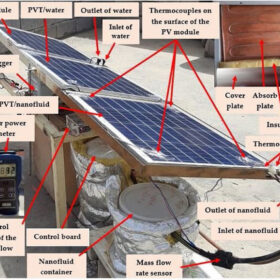
Experimental photovoltaic-thermal system based on zirconium oxide nanofluid
An international research group has designed a new photovoltaic-thermal module configuration that uses zirconium oxide as a cooling agent. The system is reportedly more efficient than water-cooled counterparts in reducing its operating temperature.

Australian startup unveils new wall-mounted residential EV chargers
Evos, an Australian startup specializing in electric-vehicle charging technology, has unveiled its first home chargers. The 7 kW wall-mounted devices are designed to add driving range to EVs for every hour they are plugged in.
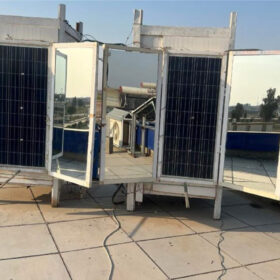
Photovoltaic Trombe wall system to provide heating, electricity
Researchers in the Middle East have developed a new design for energy systems combining PV power generation with Trombe walls in buildings. They claim their new system configuration with reflective mirrors offers improved overall system efficiency both in terms of heating and electricity production.

Brazil announces 2 GW solar plan for social housing program
Brazil has announced a new 2 GW solar strategy. It plans to build 2 million new social housing units by 2026 and will deploy two PV modules in each home, providing 1 kW of power per dwelling.

Fire hits industrial building, PV system in Switzerland
A fire hit an industrial building and its PV system in Switzerland earlier this month, but the cause of the blaze remains unclear.
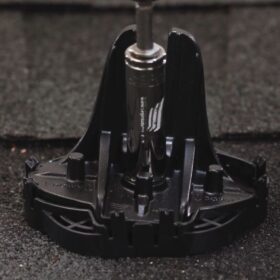
US manufacturer introduces roof mount with integrated sealant
Pegasus Solar has developed the InstaFlash pre-installed sealant for composite shingle roofs.

Weekend Read: It’s time to get Sirius
In a bid to avoid costly grid augmentation, Spanish electric vehicle (EV) charger supplier Wallbox has designed a multi-layered energy intelligence solution – proving that necessity is the mother of invention.
Thermoacoustic heat pump prototype for residential building heating
An international research team has fabricated a heat-driven thermoacoustic heat pump prototype that is claimed to achieve a heating capacity of 5.7 kW and a coefficient of performance of 1.4, with a heating temperature of 300 C and a heat-sink temperature of 55 C. The device uses medium/low-grade heat sources and is purportedly able to offer a complementary solution to the existing domestic heating methods.
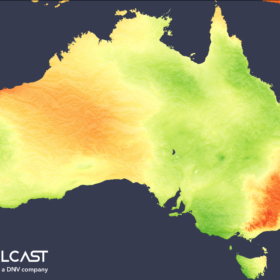
Winter westerlies drive differences in rooftop solar across eastern Australia
In a new weekly update for pv magazine, Solcast, a DNV company, presents the solar irradiance data it collected for Australia in June. The data showed that Eastern New South Wales received irradiance about 15% above normal for June, whilst central and western Victoria received totals 10-20% lower than normal.
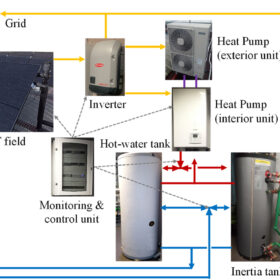
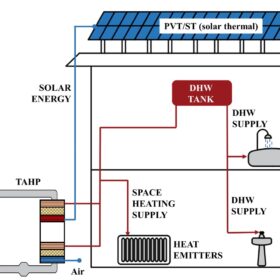
New system design for PVT systems coupled with air-to-water reversible heat pump
Spanish scientists have proposed a new approach to combine photovoltaic-thermal panels with a reversible air-to-water heat pump in industrial buildings. The system is intended to provide space heating, cooling, domestic hot water, and electricity.
