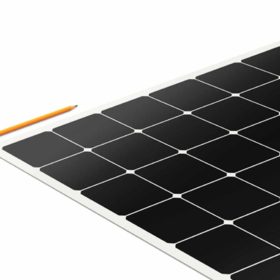
Maxeon launches frameless rooftop solar panels
Maxeon’s Air technology platform brings solar to previously inaccessible roof spaces.
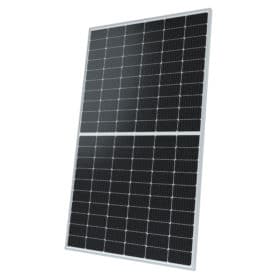
Solarwatt unveils two bifacial glass-glass panels with half-cell design
The most powerful of the two products has a power output of up to 380 W and an efficiency of 20.4%. For both panels, the temperature coefficient is -0.37%. The German manufacturer said the modules are produced at its manufacturing facility in Dresden.
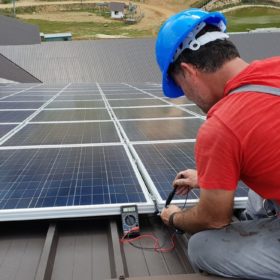
Solar 101: What’s my solar system going to cost?
Think of your solar system as a custom retrofit. That means the list of unique variables and components can be long, and hardware requirements may result in significant pricing differences.

Dutch farmers left with no connection for their PV arrays
Grid congestion issues are increasing in the Netherlands and several Dutch farmers claim to have remained without access to the grid despite having completed their rooftop arrays.

Role of distributed solar at issue in California’s net metering update
Industry groups focus on solar-plus-storage, or preserving the distributed solar industry, while a state agency aims to compensate rooftop solar at avoided costs and add a grid service charge.

Switzerland allocates $521 million for solar rebates in 2021
The Swiss federal government has also decided to improve the bureaucratic procedures for the installation of solar PV systems.
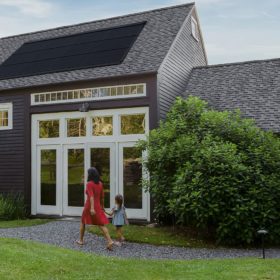
US shingled module maker to move production out of Asia
GAF Energy has announced plans to set up a new manufacturing facility in California. It currently produces BIPV panels in South Korea.

Australia’s solar capacity could hit 80 GW by 2030, says GlobalData
A new GlobalData report suggests that Australia’s solar capacity could reach 80 GW over the next decade.

Turkey hits 7 GW solar milestone
According to official statistics from grid operator TEIAS, the country added around 400 MW of PV capacity in the first four months of 2021.
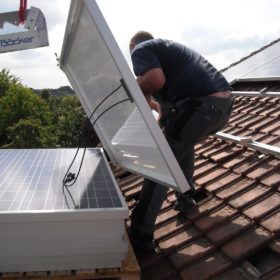
Solar 101: How to evaluate solar contractors for rooftop projects
A well-designed rooftop solar system should last 20 or 30 years, or longer. This guide for choosing the right contractor should help ease your concerns.
