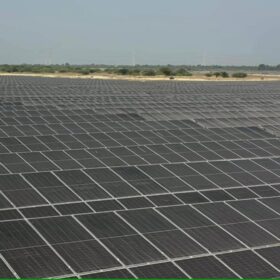
Kosol Energie completes 142 MW solar project for Coal India
Located in the Indian state of Gujarat, the ground-mounted solar plant uses n-type TOPCon bifacial modules based on POE–POE encapsulation technology.
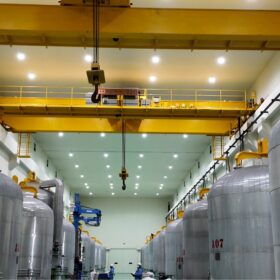
Inside PV Manufacturing: United Solar’s polysilicon factory in Oman
In the first article of a new series on solar manufacturing facilities around the world, pv magazine presents the polysilicon facility of United Solar in Oman. The plant has a production capacity of 100,000 metric tons per year and is currently the largest of its kind outside China.

Bangladesh opens public land to utility-scale solar under PPP model
Bangladesh has introduced a new regulatory framework to develop utility-scale solar projects on land owned by public agencies, with the Bangladesh Power Development Board acting as the contracting authority.

European electricity prices increase despite falling gas prices
AleaSoft Energy Forecasting’s latest analysis finds the weekly average electricity price was above €95 ($111.70)/MWh last week in all major European markets except France, Portugal and Spain. These three countries each set new records for solar energy production for a day in April last Friday, recording 145 GWh, 26 GWh and 213 GWh respectively.
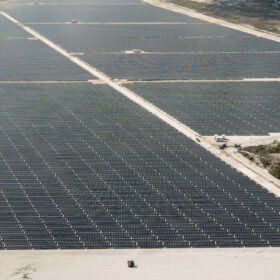
The world added 605 GW of new PV capacity in 2025, says IEA
Latest report from the International Energy Agency says last year’s 600 TWh increase in solar PV was the largest-ever electricity generation increase by any source in one year, outside of periods of post-crisis recovery.
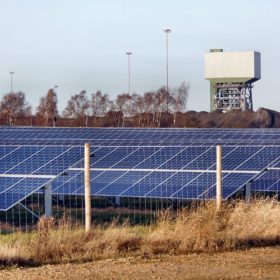
UK tries to break gas link with voluntary long-term fixed price contracts for all renewables
UK solar plants without fixed-price contracts will be offered voluntary long-term fixed-price agreements under a new “Wholesale Contracts for Difference” regime from 2026. The policy seeks to reduce exposure to volatile wholesale prices driven by gas.
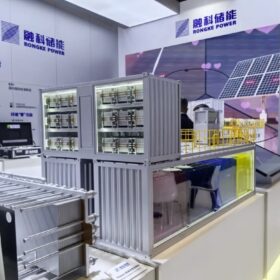
Rongke Power debuts 2 MW/8 MWh vanadium flow battery storage system
The Chinese company says the new product targets long-duration storage, grid support, and GWh-scale deployment.

Fabricating perovskite solar cells with robotic boxes
An international research team has developed an AI-driven robotic platform that autonomously designs, fabricates, and optimizes perovskite solar cells, completing the full experimental workflow in a closed-loop system. Using the platform, the researchers fabricated and tested more than 50,000 devices, achieving efficiencies of up to 27%.

Control, not capacity, could be the next driver of US residential storage investment
Investors are shifting focus from deployment growth to platforms that can orchestrate and monetize battery fleets.

Insurance premiums trending down despite severe weather threat for solar
Insurance premiums for renewable energy projects in Australia are expected to decrease this year despite natural catastrophe and extreme weather exposures remaining a major concern, particularly for large-scale solar asset owners and investors.
