
Large scale PV projects proliferate in Portugal
Analysis from Aurora Energy Research shows around 4.3 GW of solar projects secured grid-connection permits to date in Portugal. Data also shows a record 1.2 GW of solar projects requested generation licenses in the first seven months of the year, smashing previous records.
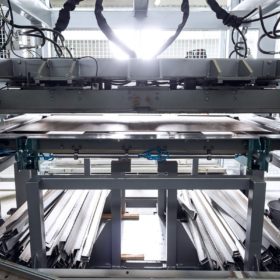
New industrial plant concept for end-of-life PV panel recycling
Italian startup Tialpi is developing a process to recycle end-of-life solar panels that promises to recover 100% of a PV module’s weight. The new plant design is currently being tested at the company’s facility in the Italian northern province of Biella.
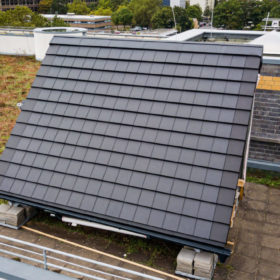
Photovoltaic-thermal solar tiles
Germany’s Paxos is currently testing the solar tile in a testing facility connected to an air heat pump. The panel can provide heat and electricity at the same time, while also improving the heat pump’s coefficient of performance by around 25%.
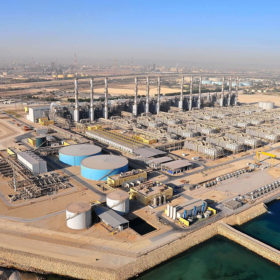
Alfanar to build 110 MW of solar for desalination plant in Saudi Arabia
Alfanar has revealed plans to set up a solar project including ground-mounted and floating PV to provide power to the Al Jubail 2 water desalination plant on the east coast of Saudi Arabia. It will require an investment of SAR 1.2 billion ($319 million).
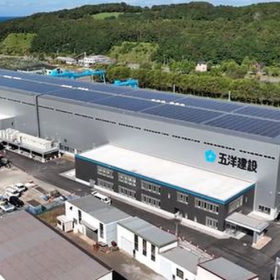
The Hydrogen Stream: Penta-Ocean opens factory exclusively powered by solar, hydrogen
Japan’s Penta-Ocean has opened a new factory powered by a 670 kW PV system and fuel cells. Plug Power, meanwhile, has revealed that it will provide fuel cells, hydrogen storage, and fueling infrastructure to FreezPak Logistics.
Turkey provides $410 million for 2 GW solar module factory
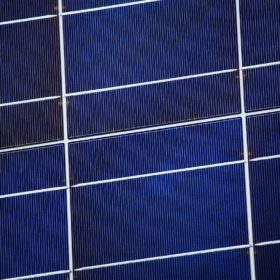
Smart Solar Technology has secured Turkish government support to build a vertically integrated solar module factory in Izmir, Turkey.
Poland to allocate 9 GW of solar in 2022-27 auctions
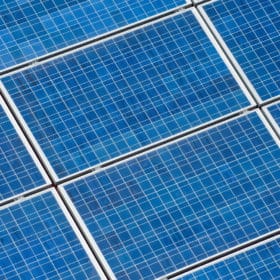
The Polish government plans to allocate around 13 GW of new renewables capacity under a six-year scheme. It said 4.5 GW of solar will be assigned to projects above 1 MW in size, while another 4.5 GW of capacity will be assigned to smaller installations.
Inverted perovskite solar cell hits 21.4% efficiency with Ruddlesden-Popper passivation layer
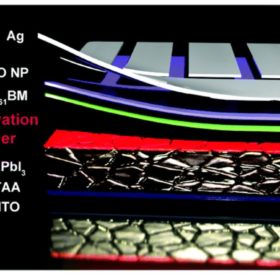
South Korean scientists have used a vertically oriented passivation layer, featuring two-dimensional Ruddlesden-Popper perovskites (RPP), to mitigate nonradiative recombination in inverted perovskite solar cells. They achieved the highest efficiency ever reported for a perovskite cell formed by vacuum deposition.
Underground heat exchanger to cool down solar panels
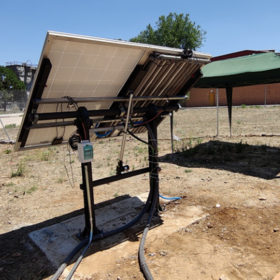
Spanish scientists have built a cooling system featuring heat exchangers on solar panels and U-shape heat exchangers installed in a borehole at a depth of 15 meters. The researchers claim that this reduces panel temperatures by up to 17%, while improving performance by about 11%.
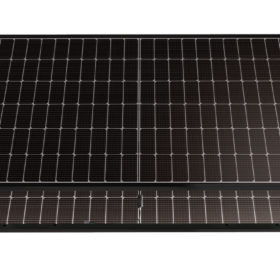
Recom launches bifacial heterojunction solar panel with 395 W output
Recom’s newest solar panels feature efficiencies of up to 21.68% and a temperature coefficient of -0.24% per degree Celsius. The company is offering a 30-year power output guarantee for 91.25% of the initial yield.
