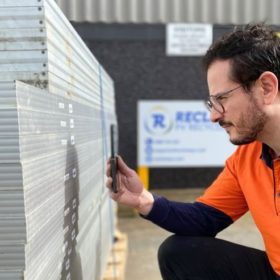
Maxeon partners with Reclaim PV to save panels from landfill in Australia
Solar manufacturer Maxeon Solar Technologies has teamed with Adelaide-headquartered solar panel collection and recycling company Reclaim PV Recycling to recover and recycle SunPower branded solar panels in Australia.
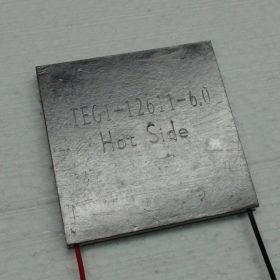
Upcycling silicon waste from end-of-life solar panels into thermoelectrics
Researchers in Singapore have developed a new technique in which polycrystalline silicon is pulverized into powder and pelletized into ingots. The process relies on spark plasma sintering to dope the silicon with germanium and phosphorus.
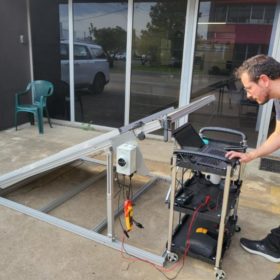
About one-third of disused PV panels fit for reuse, says Australian consortium
Reclaim PV Recycling and the Circular PV Alliance (CPVA) have have agreed to jointly develop standards and testing procedures to support the reuse and resale of solar panels in Australia. Reclaim PV recently discovered that more than 31% of the solar panels collected in the Australian state of Queensland could be considered for reuse, rather than recycling.
Roadmap for solar module recycling in Bangladesh
Bangladesh currently does not have a recycling center for PV module recycling. But according to a group of local scientists, the country could evolve into a regional hub for PV waste recycling if proper guidelines are implemented.
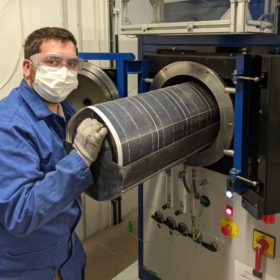
New PV module recycling tech from France
French start-up Rosi Solar has developed an industrial solution claimed to be capable of recovering high purity silicon, silver and copper contained in end-of-life PV modules. The company’s technology is based on a pyrolysis process that makes it possible to isolate the different metals from the cells.

Australia prepares for first solar ‘upcycling’ facility while recycling operations expand
As Australia stares down a deluge of worn out solar panels, recycling – and indeed upcycling – programs are grinding into gear. In Victoria, a site has been found for Australia’s first facility to recover and reuse solar module materials, while Reclaim PV has extended its manufacturer partner and pickup location lists.
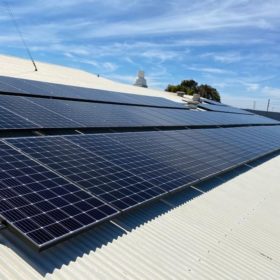
Australian solar module manufacturer commits to recycling strategy
Reclaim PV has added another partner to its national solar panel recycling and recovery program with South Australian-based manufacturer Tindo Solar committing to a program that will see close to 100% of the solar PV panels that it handles recycled and re-used in the industry.
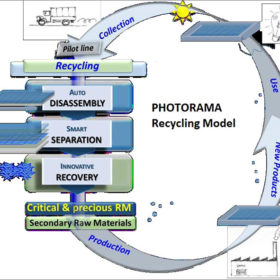
European consortium develops pilot line for complete PV module recycling
A European consortium consisting of Italian energy agency Enea and the French Alternative Energies and Atomic Energy Commission, among other entities, has developed a plan to build a low-emissions pilot line to recover critical and precious metals such as silicon, indium, gallium and silver. The line will be designed to reintroduce new materials and new products into the production cycle.
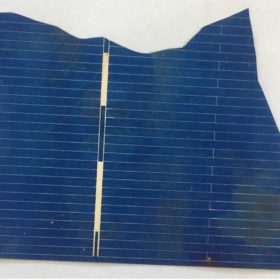
New tech to recover pure silicon from end-of-life solar cells
An Indian research group has used three different chemicals instead of commonly used hydrofluoric acid to separate silicon from the cell. The technique is claimed to be able to deliver recycled silicon with a purity of up to 99.9984%.
Circular economy could support India’s push for clean energy, self-reliance
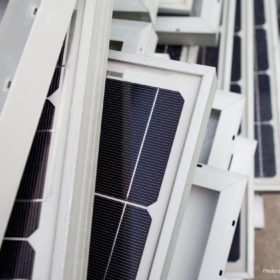
The recovery of valuable raw materials from end-of-life solar panels and batteries presents a great opportunity for India to secure future supplies as the nation chases its ambitious renewable energy targets.
