
Monograin layer solar cell with 6.4% efficiency
The lightweight and flexible cell was built by Estonian researchers with microcrystalline powders. The device is claimed to be the most efficient solar cell fabricated with a semiconductor compound known as Cu2CdGe(SxSe1−x)4.
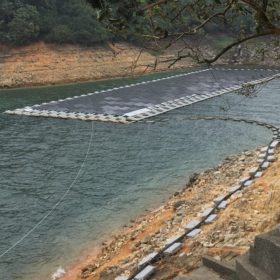
Australian utility to build floating PV plant, 200 MW battery
AGL Energy has revealed plans for a floating PV project at its Loy Yang power station in Victoria, Australia. The energy giant is already producing brown hydrogen for export to Japan, and has applied for a 200 MW battery at the Loy Yang site.

Key energy proposals from the US administration and Congress
It’s been a busy two months since Joe Biden became U.S. president. Here are highlights of key initiatives on the energy and clean-tech fronts.
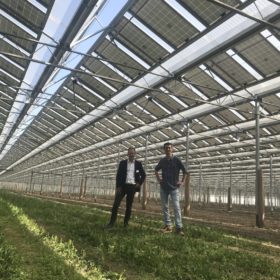
French photovoltaic greenhouse delivers 3.1 GWh and 4 tons/hectare of asparagus in one year
The solar greenhouse was built by French developer Tenergie in 2017 and last year recorded a remarkable performance in terms of both agricultural ane electricity yield.

Commercial HJT solar cells could hit 26% efficiency by 2030
Arvind Shah, a professor at École polytechnique fédérale de Lausanne, and Meyer Burger former Chief Innovation Officer Sylvère Leu recently spoke to pv magazine about the future of heterojunction PV modules. They said the tech is mature and can now compete on cost with PERC panels in projects – particularly in hot, humid environments.
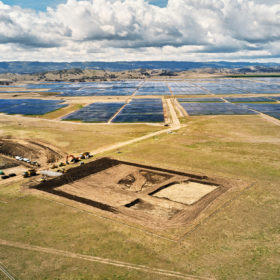
Apple’s suppliers embrace renewable energy
The move is part of the U.S. technology company’s 2030 plan to rely 100% on renewable energy.
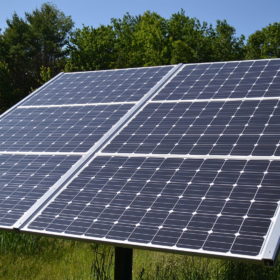
Belgian development agency launches tender for five solar mini-grids in Mozambique
The five solar-plus-storage facilities will be located in Zambézia and Nampula provinces.

Sweden hits 1 GW milestone
The Scandinavian country saw the installation of more than 400 MW of PV systems last year. The Swedish solar market keeps being driven by rooftop PV.
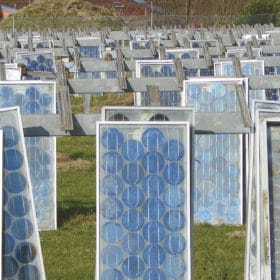
Managing solar PV waste in India
A new report compares the regulatory frameworks of the European Union and India to manage end-of-life solar panels. It also assesses and analyzes the PV waste market and processing capacities in India, while sharing recommendations for Indian stakeholders.
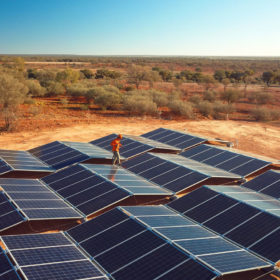
Australia may host GW-scale PV module factory
Australia’s Sun Cable is planning a factory that could produce PV modules for the world’s biggest solar+storage project – the Australia-ASEAN Power Link.
