
Shell to build 100 MW hybrid wind-solar project
Shell plans to construct a 50 MW solar park and a 50 MW wind farm in the Netherlands. It said the two installations will share the same connection point.
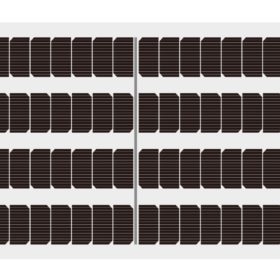
JinkoSolar showcases 13.08%-efficient transparent TOPCon solar module for BIPV, agrivoltaics
The new solar module can be purchased with different levels of transparency, depending on the project, with light transmittance ranging between 30% and 40%. It has a power output of 245 W to 300 W and a temperature coefficient of -0.30% per C.
Stadium in Senegal hosts 2.3 MW solar plant
Turkish developer Citus Power built the solar array with Sungrow inverters and Trina modules. It is able to operate in both on- and off-grid mode.
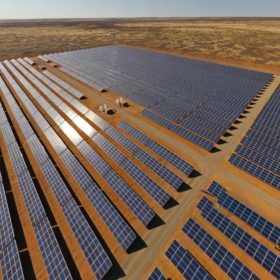
South Africa approves 200 MW of PV under new distributed-generation rules
Sola Group plans to build two 100 MW siolar projects in South Africa’s North West province. It will sell the electricity under power purchase agreements to US-based titanium products provider Tronox, which operates several mines and smelters in the region.
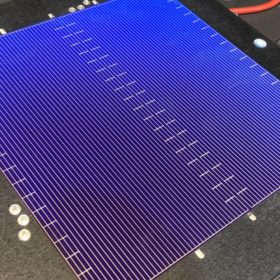
Gallium doping and solar cell degradation
German scientists have conducted a series of experiments on gallium-doped silicon solar cells to understand the causes of degradation in PV cells and modules treated with gallium rather than boron. They confirmed that the performance losses are caused by a bulk defect in the material, and found that the right combination of light and temperature can “heal” earlier damage and even lead to small improvements in overall cell efficiency.
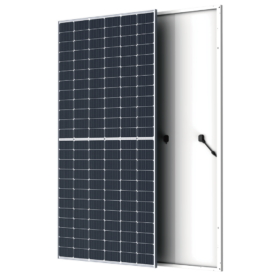
Hanersun launches 580 W TOPCon solar module with 22.38% efficiency
Hanersun claims that its new TOPCon solar modules are suitable for residential and commercial rooftops, as well as small-scale, ground-mounted PV plants. They have a temperature coefficient of 0.31%.
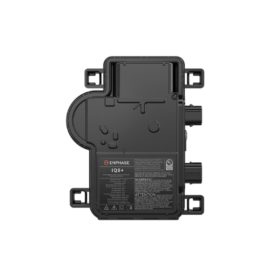
Enphase Energy microinverter secures first UL interconnection certification
The Enphase IQ8 Microinverter system has been certified to the new North American safety and grid interconnection standards for connecting solar inverters, energy storage systems, and distributed energy resources to the grid.
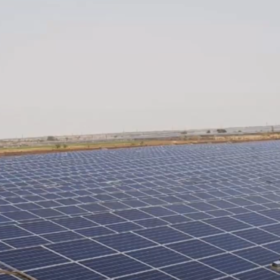
Mahindra Susten commissions 175 MW of solar in India
Mahindra Susten has switched on 175 MW (AC) of its 250 MW solar project in Bikaner district, Rajasthan. The massive installation, which uses bifacial modules, will supply electricity to Solar Energy Corp. of India over a period of 25 years at a price of INR 2.54 ($0.03)/kWh.

Kiwa Deutschland acquires PI Berlin
Kiwa Deutschland has acquired PI Berlin for an undisclosed sum, but the technical consultancy will retain its name and structure.

‘Extraordinary week’ capped off with PV-IPCEI launch in Brussels
The PV-IPCEI event hosted by the European Solar Manufacturing Council (ESMC) took place on May 20 in a narrow wood-paneled room of Brussels’ Art Deco Residence Palace.
