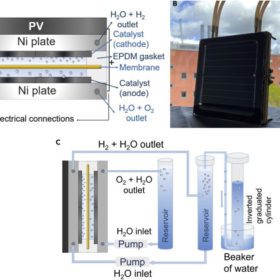
Thermally integrated PV-electrolyzer with 9.1% solar-to-hydrogen efficiency
A Swedish research group has developed a device combining CIGS thin-film solar modules and an alkaline electrolyzer based on a trimetallic cathodic catalyst made of nickel, molybdenum, and vanadium (NiMoV) and an anode made of nickel oxide (NiO). The electrolyzer achieved an average solar-to-hydrogen (STH) efficiency of 8.5% for stable operations during 100 hours.
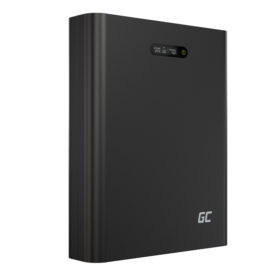
Green Cell unveils 5kWh residential battery
Called GC PowerNest, the battery has a storage capacity of 5kWh and a voltage of 51.2V. It is scalable in an eight-stack configuration, thus reaching a capacity of up to 40kWh.

Cybersecurity for distributed energy, inverter-based resources
UL and the US National Renewable Energy Laboratory have released a report on cybersecurity certification recommendations and are actively developing new requirements to create cybersecurity certification standards.

Italy installed 937MW of solar, 431MWh of storage in 2021
The country’s cumulative PV capacity reached 22.56GW at the end of December.
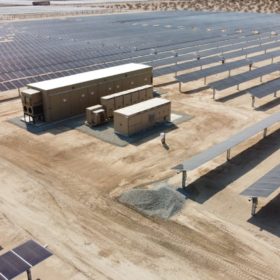
PV to account for about half of planned US utility-scale capacity additions
The US Energy Information Administration says that over the next two years, 60% of new capacity additions in the United States will be solar or battery energy storage.
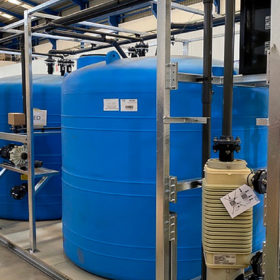
Hybridizing PV, redox flow batteries and geothermal heat pumps
A Spanish consortium is equipping one of Madrid’s largest metro and bus stations with a hybrid system that combines PV, geothermal pumps, and vanadium redox flow batteries to provide cooling and heating.

Australian researchers announce lithium-sulfur battery breakthrough
Researchers from Australia’s Monash University have created a new generation of lithium-sulfur batteries to provide a cheaper, cleaner and faster-charging energy storage solution that outlasts lithium-ion alternatives and is rechargeable hundreds of times without failing.
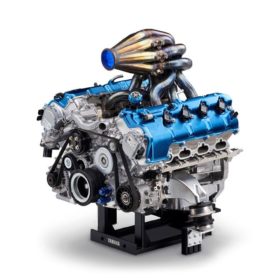
The Hydrogen Stream: Hydrogen-fuelled V8 engine for automobiles from Toyota, Yamaha
In other news, Belgian company Tree Energy Solutions (TES) is accelerating plans to develop the German port of Wilhelmshaven into a “world-scale” hub for importing green gas, and German engineering company MAN Energy Solutions will invest up to €500 million in its hydrogen-focused subsidiary H-TEC Systems.

Thermochemical storage-plus-rooftop PV to store heat for winter months
A group of researchers in the United Kingdom is developing a modular, multi-vector energy system that can be installed into new homes and retrofitted into existing buildings to provide seasonal heat storage. In the proposed system configuration, a rooftop solar array would be used to power a heat pump or another electrical heating element, which in turn produces the heat to be stored by thermal devices.

Fortescue accelerates plans for gravity-charged electric powertrain
Australia-based mining giant Fortescue has started the development of an electric train that recharges itself using gravity, after settling its recent purchase of UK-based Williams Advanced Engineering.
