
Solar surpasses 10% of U.S. electrical generation for a full month for the first time
In April, solar photovoltaics accounted for 10.64% of all electricity generation, according to the EIA. Combined with wind, the two sources neared 25%, while carbon-free electricity edged above 49%.

Controversial rooftop solar bill glides through California’s Appropriations Committee
The California State Assembly’s Appropriations Committee passed a bill that would renege more than a million commitments to the state’s rooftop solar customers.

Trump tariffs deal damage to US solar
“It’s a changed world in the renewables space,” said Stefan Reisinger, partner at Norton Rose Fulbright.

US solar manufacturing boom ‘real but fragile,’ says CEA
The United States is on track to reach 13 GW of cell manufacturing capacity and 65 GW of module assembly in 2025, says Clean Energy Associates.

History of U.S. tariffs and how they relate to solar
Days after entering office, the Trump administration announced tariffs on key US trading partners. While Canada and Mexico negotiated a one-month stay, it appears tariffs are set to play an even larger role in US trade policy through 2029. Paula Mints examines the history of U.S. tariffs with a focus on the solar industry.
U.S. residential solar declined 31% in 2024
Wood Mackenzie reports that the United States installed around 4.7 GW of new residential PV capacity in 2024.
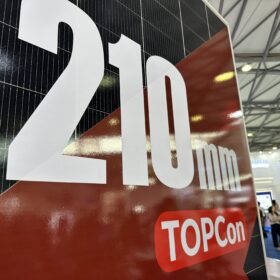
Pricing and technology trends for US solar panel resale market
A strong market exists for wholesale secondary market solar modules, says EnergyBin.

U.S. solar installations forecast to decline 1% annually through next decade
Solar may have had a peak year in 2024, as persistent challenges in interconnection labor and more are forecast to lead to 1% annual declines through 2035, said a report from Wood Mackenzie.

U.S. Environmental Protection Agency unfreezes $7 billion Solar for All grant program
The announcement comes after the EPA instantly froze the funds last month.

Solar, batteries, wind to make up 93% of 2025 US electricity capacity deployments
The US Energy Information Administration (EIA) projects 32.5 GW of solar, 18.2 GW of energy storage, and 7.7 GW of wind will be deployed this year. These additions will make up nearly 93% of total new capacity, which is expected to hit a record 63 GW.
