
Solar, wind compensate for decline of hydro, nuclear in EU electricity output
E3G and Ember said in a new study that solar and wind have helped to mitigate the impacts of drought across the European Union, amid a 21% decline in hydropower generation and a 19% reduction of available nuclear capacity. Wind and solar generated a record 24% of the bloc’s electricity from March to September.
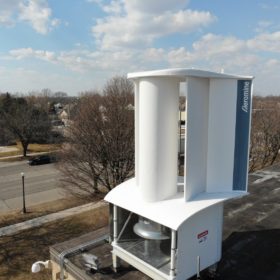
Rooftop wind energy innovation claims 50% more energy than solar at same cost
BASF is currently testing Aeromine Technologies’ patented motionless wind-harvesting system.
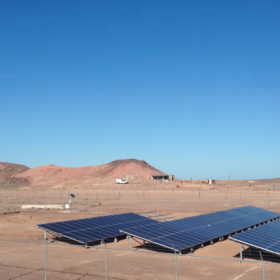
Power-to-gas-to-power designs to incorporate hydrogen in solar-wind microgrids
Researchers in Mexico have looked at integrating hydrogen-based power-to-gas-to-power into an existing rural microgrid. They said this solution could become competitive if electrolyzer, fuel cell and hydrogen tank costs are halved, or if diesel prices keep rising.
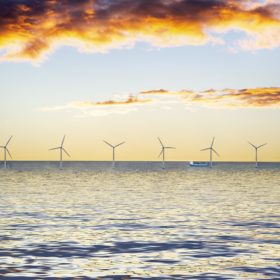
Electrolyzer tech to produce hydrogen from seawater
With a new start-up and a consortium in the Netherlands, German automotive supplier Schaeffler wants to significantly reduce the costs of green hydrogen.
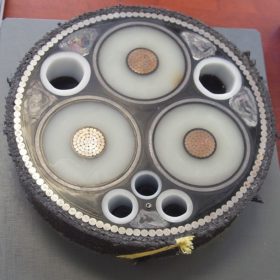
New subsea cables for the UK
Another round of the so-called “cap and floor” regime is expected to be held next year and will help the U.K. reach a total electricity interconnection capacity of 16 GW by 2030. The new interconnectors will likely be intended to harness large amounts of power from big offshore wind farm clusters in the North Sea.
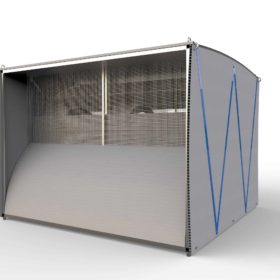
Hybrid wind-solar generator for rooftop applications
French startup Wind my Roof has developed a new wind power system equipped with two rooftop PV modules. It is currently testing a prototype in Paris.
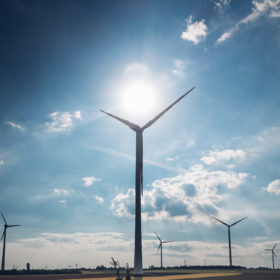
Brazil introduces new rules for hybrid power plants
The new provisions define clearly what hybrid power plants are and what kind of grid tariffs they should pay. The regulation may be particularly favorable for hybrid wind-solar plants, especially in North-Eastern Brazil, where the grid is not strong enough to support further renewable energy development.
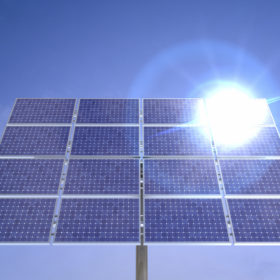
A hybrid wind-solar-biogas sytem design including battery and thermal storage from PV modules’ excess heat
Tested in an off-grid location in India, the proposed approach includes the use of thermal storage from PV modules’ excess heat for space and water heating. The optimum configuration for the system was given by the combination of a 224 kW PV system equipped with a phase change material, a 206 kW wind turbine, a 420 kW biogas generator, a 633 Ah battery, and a 170 kW converter.

Developers move forward with GW-scale PV-wind-storage project in Australia
A couple of years ago, the Australian state of Queensland became a beacon to advisory Energy Estate and international renewables developer RES Group. The Moah Creek Renewable Energy Project, the first stage of their gigawatt-scale plan, is now about to be introduced to the community.

CO2 pricing may prevent cannibalization effect of wind and solar
According to a new study from a German-Swedish research group, conventional incentives such as renewable portfolio standards, feed-in tariffs or feed-in premium payments may likely lead to a price cannibalisation scenario for wind and solar. CO2 pricing, instead, is considered an efficient tool to maintain their market value high enough to ensure new investments. However, a total system cost approach, rather than an LCOE perspective, is needed to understand the strong dependence of market value on policy choice.
