Temperature-dependent model to calculate solar LCOE
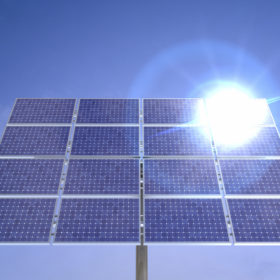
Developed by researchers in Saudi Arabia, the novel approach considers both the temperature-dependent power yield and the solar module time to failure (TTF), among other factors. According to its creators, the model can be applied to all kinds of module and cell technologies.

Investment cycle means race is on to incentivize green hydrogen
A report published by Irena hints the world’s politicians will have to get to work immediately to avoid another generation of fossil fuel-fired hydrogen, ammonia, and methanol plants being set up to run into the second half of the century.
LuxpowerTek launches multi-string DC-DC converter
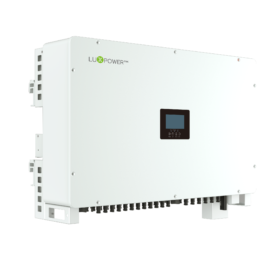
The Chinese electronics specialist has unveiled the first DC/DC converter in its product offering, dubbed the DC-coupled LSP 100K. The device features an efficiency of 97.9% and a European efficiency of 97.5%.

France provides incentives to landscape-integrated BIPV
The French authorities have so far selected four BIPV products that are eligible for the incentive scheme.
Spanish consortium wants to produce green hydrogen with sewage
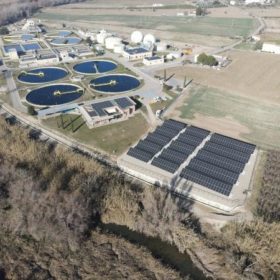
The Zeppelin project is expected to generate more than 135,000 tons of green hydrogen from 99 million tons of waste and 50 million tons of municipal wastewater.

Australian electrolyzer invention enables green hydrogen under US$1.5/kg by ‘mid 2020s’
“We’re not talking about incremental improvement, this is a really giant leap,” Hysata CEO Paul Barrett told pv magazine Australia. Hysata is commercializing a breakthrough made at the University of Wollongong which effectively, Barrett says, invented a “brand new category of electrolyzer,” vastly improving efficiency.

Solarpack offers remote PV self-consumption to Spanish consumers
Solarpack’s click&go system relies on solar panels in its own projects, rather than in the homes of consumers, so households can consume renewable energy remotely. Clients can buy energy produced from their remotely owned panels for around €30 ($32.98)/MWh.
Bifacial heterojunction solar cell with 22.84% efficiency, reduced indium consumption
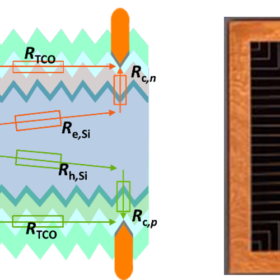
A Dutch-Chinese research team has developed a bifacial heterojunction PV cell with a 67% reduction in transparent conductive oxide (TCO) use. The TCOs used for the cell are based on indium(III) oxide (In2O3), which is considered a technology-critical element by many experts.
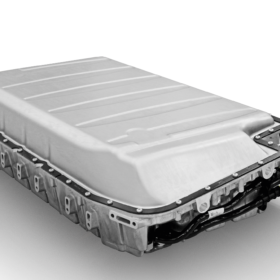
Italian solar park to be linked to 5MW/10MWh of second-life batteries
A unit of Enel plans to deploy 5MW/10MWh of second-life batteries at Rome-Fiumicino International Airport, where a 30MW solar park is now under development. The modular storage system will include different second-life lithium-ion batteries, mainly based on nickel, manganese and cobalt chemistry, with usable storage capacity ranging from 10kWh to 25kWh.

Azure Power commissions 300MW solar project in India
Azure Power has switched on a 300MW solar project in the Indian state of Rajasthan. It will supply electricity to Solar Energy Corp. of India for about $0.03/kWh over a period of 25 years.
