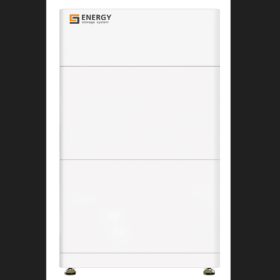
New lithium iron phosphate battery for residential solar applications
China’s GS Energy has developed a new lithium iron phosphate battery system with a nominal voltage of 96 V. It says that up to five 3.74 kWh modules can be stacked and connected in series for a total capacity of 18.7 kWh.

South Africa introduces rebate scheme for rooftop PV
South Africa’s new rebate program for private rooftop solar arrays has a budget of ZAR 4 billion ($216.7 million). It does not cover inverters, battery storage systems, or installation costs. However, some industry analysts have already criticized the scheme for failing to fully address the country’s load-shedding problem.

Machine learning predicts residential power yield of large PV system fleets
Dutch scientists have developed a PV forecasting method that uses the XGBoost algorithm. They claim their approach predicts electricity generation levels an hour ahead for big fleets of residential solar arrays.
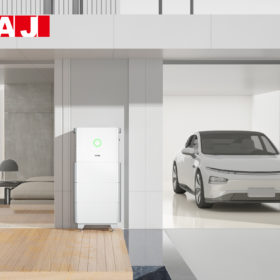
SAJ unveils new line of residential battery inverters
China’s Guangzhou Sanjing Electric (SAJ) has developed a new line of battery inverters in single-phase and three-phase configurations.
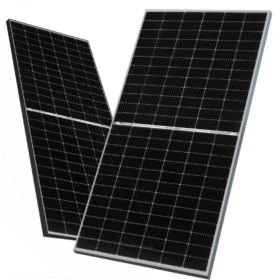
Brazil imported 17.8 GW of solar modules in 2022
Brazilian demand for distributed-generation PV grew by 73% year on year in 2022, according to a new report by Greener. JinkoSolar was the largest module supplier in Brazil, with shipments reaching 3,065 MW.
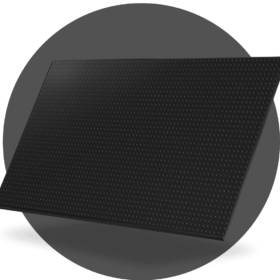
Silfab unveils residential solar panels with conductive backsheets
Silfab Solar’s Elite Series modules for residential PV installations feature conductive backsheets for better production and efficiency.
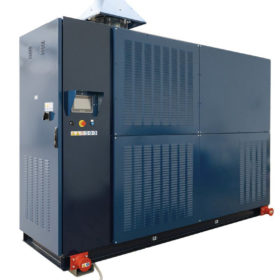
Weekend Read: All of the above
Competition is intensifying in the electrolyzer space. With the International Energy Agency (IEA) expecting 380 GW of hydrogen production capacity in 2030, four different technologies will likely become prominent as demand spikes. We take a look at the market.
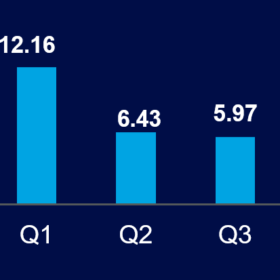
The Hydrogen Stream: Global hydrogen pipeline plummets in Q4 2022
Wood Mackenzie says in a newly published report that new hydrogen capacity announcements fell year on year in 2022, while researchers claim that green hydrogen heating systems will probably not replace gas boilers in European homes.
Only5mins! – Solar-optimized EV charging is a no-brainer
PowerFlex CEO Raphael Declercq speaks to pv magazine about growing demand for solar-optimized smart charging. He says the company, which is owned by EDF Renewables, can control batteries and loads in microgrids with its newly expanded EV-charging management software.
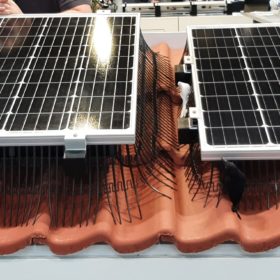
Plastic strip to prevent birds from nesting under rooftop solar
Netherlands-based BirdBlocker has developed a plastic strip that can be placed under solar panels installed on pitched rooftops. The long needles prevent birds from nesting under the modules. The structure is attached to the frame of the modules with stainless steel clips.
