
European consortium targets 25% CIGS solar cell efficiency
A consortium of European thin-film PV manufacturers and research institutes are working to advance copper, indium, gallium, and selenium (CIGS) solar development in a €5.9 million ($6.4 million) project. It aims to achieve 25% cell power conversion efficiency by improving manufacturing processes and scaling up from lab-sized bifacial devices to small outdoor-tested modules for a range of applications.

Antora Energy receives $4 million grant to scale thermophotovoltaic technology
Antora says its thermal batteries offer a cost-effective way to store energy and produce high-temperature industrial heat and electricity on demand
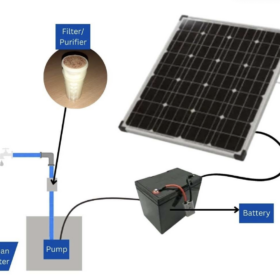
Kenyan startup offers PV-powered water filter
Inno Neat has developed a solar-powered water filter that removes contaminants such as bacteria, viruses and heavy metals for rural communities.
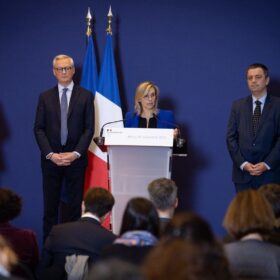
French government, EDF agree on €70 MWh for nuclear power
The French government and EDF have struck a deal on nuclear electricity prices to shield consumers from increases and enable the state-owned utility to fund new reactor construction, drawing criticism from energy-intensive businesses.
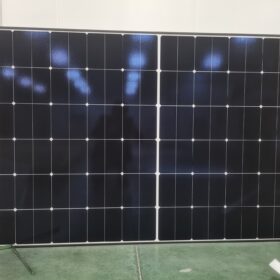
Hanersun launches ABC solar module series with up to 23.2% efficiency
China’s Hanersun has unveiled its new HItouch 5A module series, which is based on ABC cell tech and 182 mm wafers. The output ranges from 430 W to 600 W and the efficiency ratings are between 22.0% and 23.2%.

Ireland holds firm on 8 GW of solar by 2030 target
The Irish government says it expects to meet the ambitious target of installing 8 GW of solar by the end of the decade. It says it will do this through existing measures – such as the Renewable Electricity Support Scheme (RESS) and microgeneration supports – as well as a new, smaller Small-Scale Renewable Electricity Support Scheme (SRESS) to be launched in 2024.

European Commission approves Italy’s incentive scheme for agrivoltaics
The European Commission has approved Italy’s €1.7 billion ($1.84 billion) incentive scheme for agrivoltaics to deploy 1.04 GW of installed solar. The nation will offer investment grants of up to 40%, along with 20-year tariffs.

Developers seizing Mozambique solar opportunities despite instability
Mozambique government troops have grappled with an insurgency since 2017. Although this national security matter could deter foreign development and investment, the presence of independent power producers currently working in the region prove some companies do not deem it a risk, according to the head of the Africa Solar Industry Association (AFSIA).
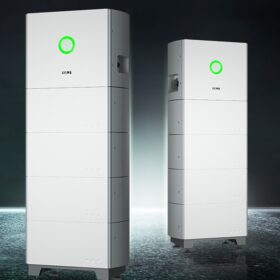
SAJ releases new battery inverter series for residential applications
China’s Guangzhou Sanjing Electric (SAJ) has developed two new single-phase and three-phase all-in-one battery inverters with efficiencies of 97.8% and 98.0%, respectively. They use artificial intelligence to support energy management.
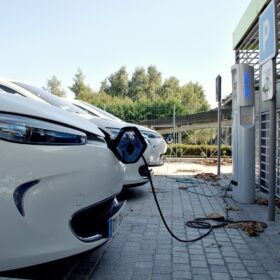
California to use flexible appliances for renewable energy integration
California plans to shift 3 GW of load from dirtier, more expensive times of day to cleaner, less expensive times by setting flexible demand standards for many types of electric appliances. Global interest in California’s work is high, according to a state agency commissioner.
