Reviewing the US solar panel value chain


From pv magazine USA
Following the passage of the US Inflation Reduction Act (IRA), an energized solar industry has started aiming high and envisioning a future in which the United States has a robust domestic energy supply chain. The Solar Energy Industries Association (SEIA) has published a roadmap to achieve this goal, with a target of 50 GW of annual solar manufacturing capacity by 2030.
The United States has been plagued by numerous pressures threatening the supply of solar modules imported from overseas. With decarbonization and climate goals under threat due to this shortage, the United States is now turning to domestic manufacturing to power the energy transition.
“Greatly expanding US PV manufacturing could mitigate global supply chain challenges and lead to tremendous benefits for the climate as well as for US workers, employers and the economy,” said the US Department of Energy (DoE).
The DoE concluded in a study that US production could reach 10 GW in two years, 15 GW in three years, and 25 GW in five years on its path to 50 GW of annual production.
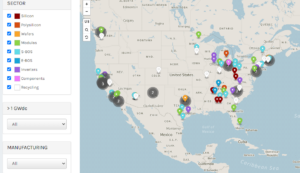
The DoE tracks the nationwide capacity of domestic manufacturing. Where does the United States stack up in relation to its goals? The figures below represent active capacity, which is set to expand dramatically due to numerous investment announcements following the enactment of the IRA.
To continue reading, please visit our pv magazine USA website.
This content is protected by copyright and may not be reused. If you want to cooperate with us and would like to reuse some of our content, please contact: [email protected].

Please login to comment

Good and informative articles on Solar!!!!
[…] including India’s production-linked incentive (PLI) scheme and the Biden Administration’s Inflation Reduction Act […]