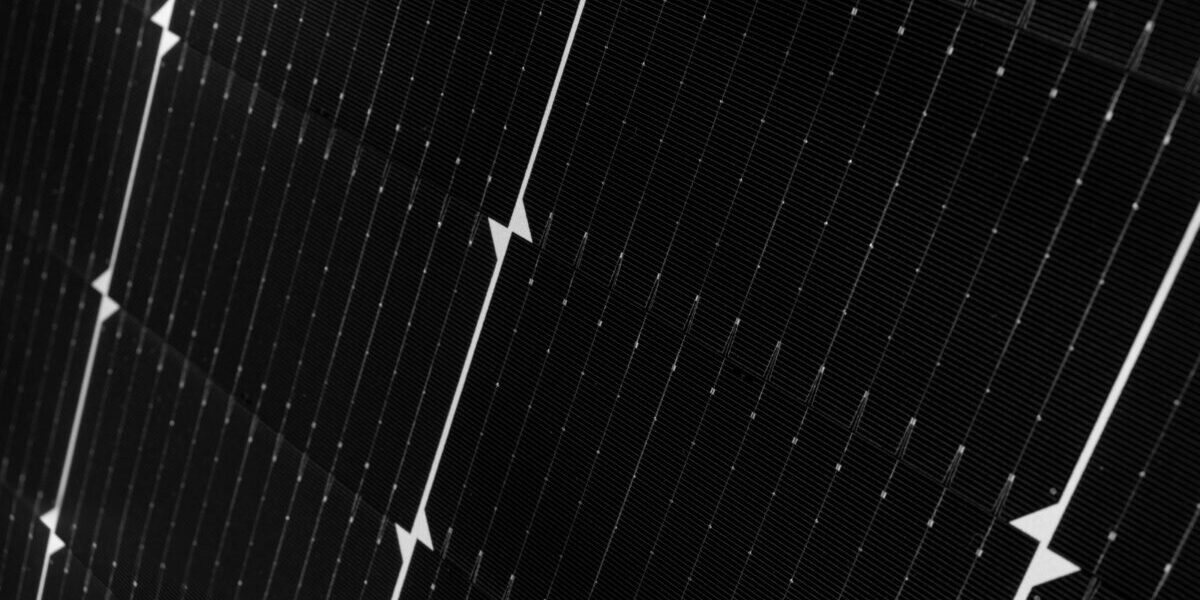





Qcells said its perovskite/silicon tandem solar modules have passed several critical stress tests for solar cell reliability.
The tested modules are based on the company’s in-house perovskite technology as a top cell, with its proprietary Q.ANTUM silicon technology as a bottom cell.
The modules passed multiple IEC-standard stress tests, including UV preconditioning at 15 kWh/m², 200 thermal cycles, 10 humidity-freeze cycles, and 1,000 hours of damp heat. TÜV Rheinland has independently verified the results.
Danielle Merfeld, global chief technology officer at Qcells, said this marks the first report of tandem modules passing such stress tests.
“The tested cells and modules are typical devices from our research and development pilot line in Germany and have been fabricated by exclusively using processes that are feasible for mass production,” explained Fabian Fertig, head of tandem R&D at Qcells Germany.
The company added that it passed the most critical stress tests for solar cell reliability, despite tandem-specific power measurement limits. “Qcells has demonstrated that tandem technology can now meet the performance benchmarks that set the groundwork for commercial acceptance,” it said.
In December 2024, Qcells achieved a world record 28.6% efficiency for a commercially scalable perovskite/silicon tandem solar cell.
This content is protected by copyright and may not be reused. If you want to cooperate with us and would like to reuse some of our content, please contact: editors@pv-magazine.com.



By submitting this form you agree to pv magazine using your data for the purposes of publishing your comment.
Your personal data will only be disclosed or otherwise transmitted to third parties for the purposes of spam filtering or if this is necessary for technical maintenance of the website. Any other transfer to third parties will not take place unless this is justified on the basis of applicable data protection regulations or if pv magazine is legally obliged to do so.
You may revoke this consent at any time with effect for the future, in which case your personal data will be deleted immediately. Otherwise, your data will be deleted if pv magazine has processed your request or the purpose of data storage is fulfilled.
Further information on data privacy can be found in our Data Protection Policy.