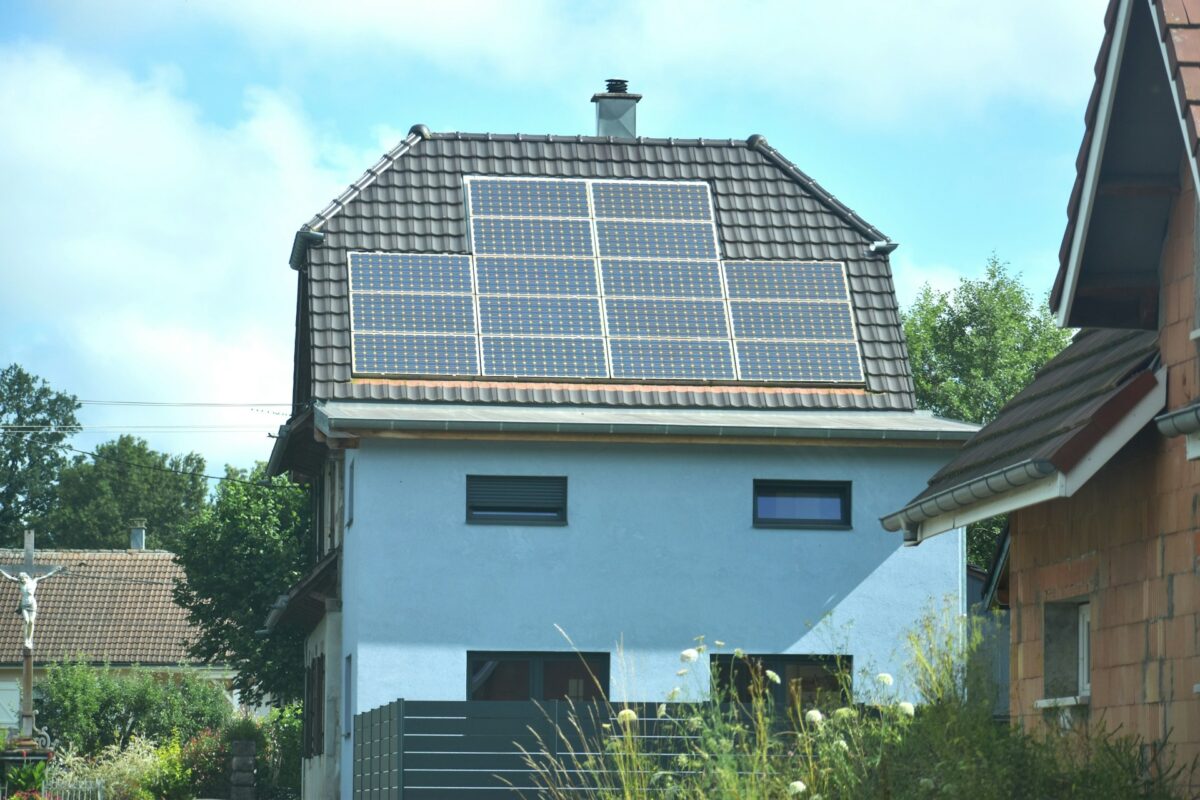





The Netherlands is developing a roadmap covering how it will make its buildings more energy efficient.
Minister of Housing and Spatial Planning Mona Keijzer, in a letter to the Dutch parliament’s House of Representatives, outlined how the country plans to transpose the European Energy Performance of Buildings Directive (EPBD IV).
The directive, adopted by the European Parliament in April 2024, has the overarching aim of making built environments emission-free by 2050. All EU member states are required to translate the directive into national law before 2026.
The Netherlands is planning to ensure all new buildings are energy-efficient and emission-free on the property from 2030 onwards.
It says this will include owners using renewable energy sources, such as solar or wind power, whenever possible, or connecting their building to a local heating network.
Also starting in 2030, regulations will govern the amount of greenhouse gas emissions permitted throughout the entire lifespan of a new building, covering the building materials used, the building's installations and the energy consumed by the building. A roadmap introducing a measurement tool is scheduled for 2027.
The Dutch government says it will encourage building owners to replace fossil-fuel boilers with heat pumps and advises that a National Building Renovation Plan is under development, set for completion by the end of this year.
Meanwhile, a new classification system for energy labels for buildings will be introduced in 2030, designed to “provide a more accurate picture of a building's energy consumption and performance.”
This content is protected by copyright and may not be reused. If you want to cooperate with us and would like to reuse some of our content, please contact: editors@pv-magazine.com.


By submitting this form you agree to pv magazine using your data for the purposes of publishing your comment.
Your personal data will only be disclosed or otherwise transmitted to third parties for the purposes of spam filtering or if this is necessary for technical maintenance of the website. Any other transfer to third parties will not take place unless this is justified on the basis of applicable data protection regulations or if pv magazine is legally obliged to do so.
You may revoke this consent at any time with effect for the future, in which case your personal data will be deleted immediately. Otherwise, your data will be deleted if pv magazine has processed your request or the purpose of data storage is fulfilled.
Further information on data privacy can be found in our Data Protection Policy.