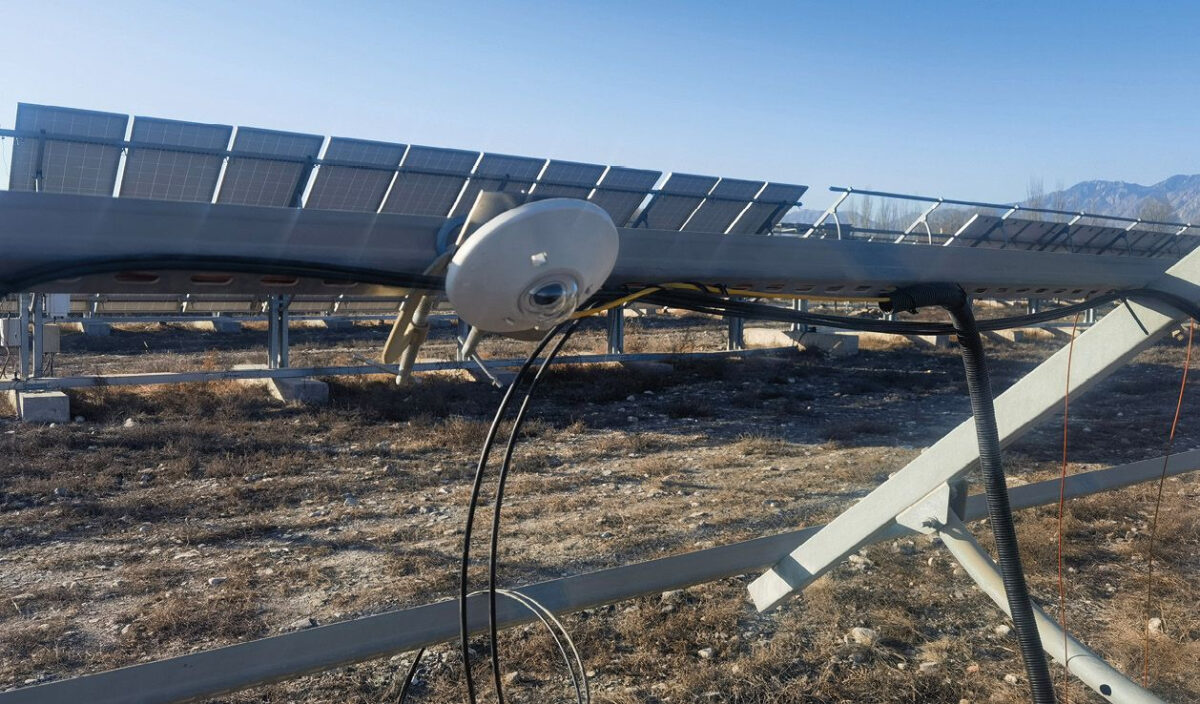





Researchers from the American University of Iraq have conducted a systematic literature review of low-cost monitoring systems for photovoltaic (PV) installations, focusing on hardware, software, and system integration, and highlighting challenges and opportunities for the future of these systems.
“As solar energy adoption accelerates, particularly in off-grid and underserved regions, the demand for low-cost yet reliable PV monitoring systems has become increasingly critical. These systems are essential for ensuring performance, detecting faults, and supporting long-term operational efficiency where commercial solutions are not viable,” the team stated. “This review examined core technologies supporting low-cost data acquisition (DAQ), including microcontrollers, analog-to-digital converters (ADCs), communication modules, and software platforms, along with design considerations such as accuracy, scalability, energy consumption, and user accessibility.”
The review followed four stages: identification, title screening, abstract screening, and full-text review. Out of 1,139 initial articles, only 88 studies met the inclusion criteria and were included in the final systematic review. According to the team, 2021 was the peak publication year for relevant studies, followed by 2019 and 2022.
The reviewed articles covered a wide range of topics. Some focused on sensors, including current and voltage sensors, irradiance and temperature measurements, and I-V curve tracers. Others examined hardware components such as microcontrollers, ADCs, and various communication interfaces. Software-related studies included commercial engineering platforms, open-source and microcontroller-based solutions, custom-developed software, and specialized analytical and visualization tools. Communication protocols were also systematically reviewed, covering wired, wireless, and hybrid approaches.
The researchers identified three key areas of significant advancement: the integration of the Internet of Things (IoT), the application of machine learning (ML), and DAQ-PV systems themselves. Regarding IoT, the team noted that such systems reduce wiring and maintenance costs while enabling predictive maintenance and smart energy management. ML applications were highlighted for their ability to improve optimization without the need for additional sensors. DAQ-PV applications, the researchers observed, are increasingly used across diverse PV setups to enhance operational performance.
“Key research gaps fall into two categories: research practices and design limitations,” the team noted. “Many studies lacked testing under Standard Test Conditions (STC), failed to report uncertainty or lifecycle metrics, and employed limited PV specifications. Design gaps included low-resolution ADCs, missing environmental inputs, incomplete I-V curves, internet dependency, limited user interfaces, and minimal integration of ML, which was present in only 11 of the reviewed studies.”
Despite these challenges, the scientists concluded that the field offers substantial opportunities. “Future work should explore edge computing, lightweight ML for embedded systems, modular and application-specific DAQs, smartphone integration, and digital twin technologies. Expanded use of ML in PV monitoring has the potential to greatly improve system intelligence, scalability, and affordability,” they stated.
The review was published in “A systematic review of low-cost photovoltaic monitoring Systems: Technologies, challenges, and opportunities,” published in Renewable and Sustainable Energy Reviews.
This content is protected by copyright and may not be reused. If you want to cooperate with us and would like to reuse some of our content, please contact: editors@pv-magazine.com.

By submitting this form you agree to pv magazine using your data for the purposes of publishing your comment.
Your personal data will only be disclosed or otherwise transmitted to third parties for the purposes of spam filtering or if this is necessary for technical maintenance of the website. Any other transfer to third parties will not take place unless this is justified on the basis of applicable data protection regulations or if pv magazine is legally obliged to do so.
You may revoke this consent at any time with effect for the future, in which case your personal data will be deleted immediately. Otherwise, your data will be deleted if pv magazine has processed your request or the purpose of data storage is fulfilled.
Further information on data privacy can be found in our Data Protection Policy.