




From pv magazine USA
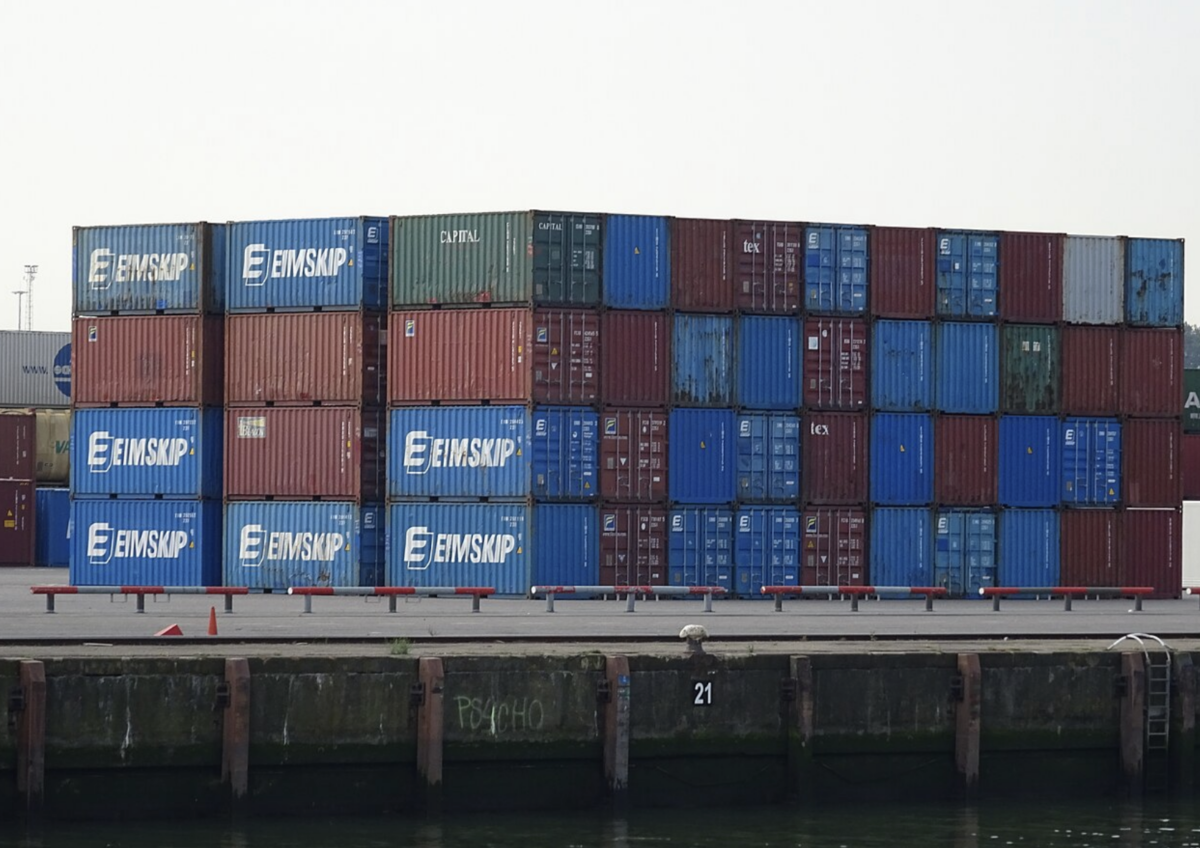
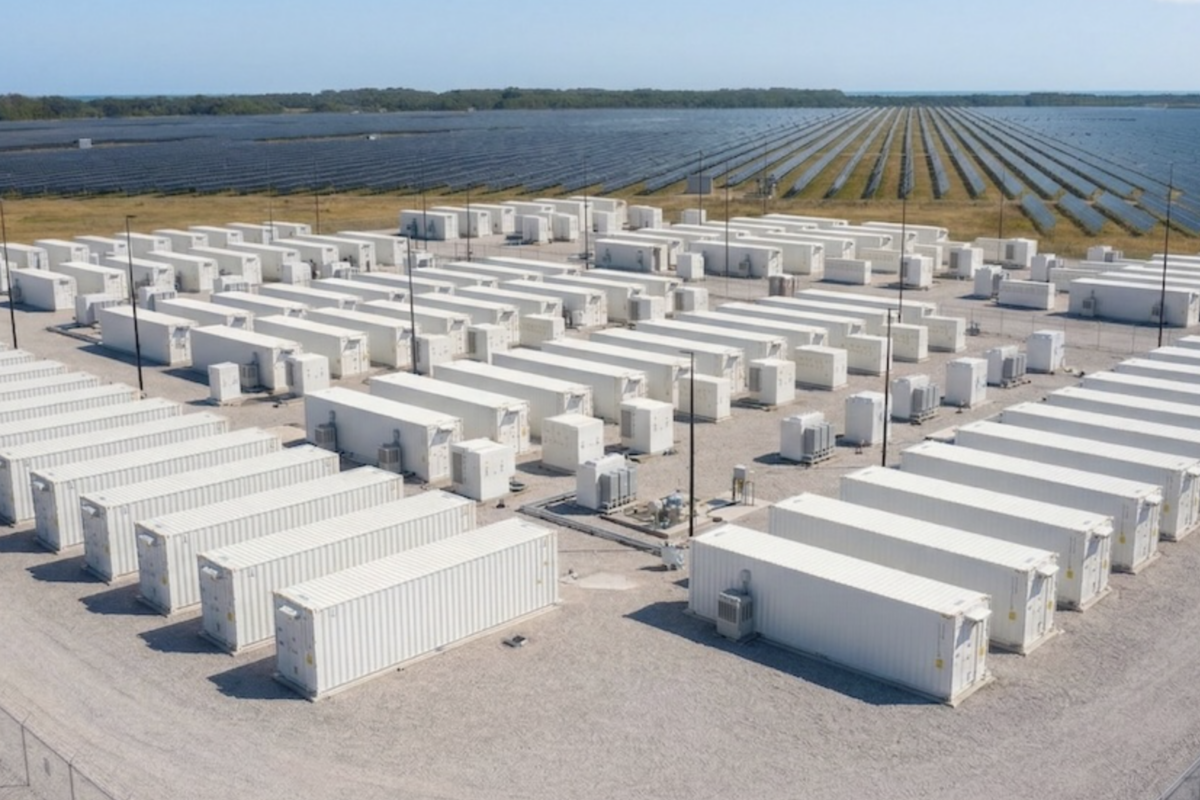
A letter, sent to Commerce Secretary Howard Lutnick and signed by over 50 House Republicans requests the prohibition of imports of solar and battery energy storage imports from “foreign entities of concern” (FEOC), which mainly impacts Chinese businesses.
The House Republicans contend that current US policy has not adequately addressed national security vulnerabilities within the energy technology supply chain.
The lawmakers argue that the use of critical grid technologies sourced from China poses unacceptable public safety, economic, and national security risks. The letter specifically references a May report from Reuters of “rogue” hardware components discovered in Chinese-made inverters as evidence of potential security threats.
“We respectfully request that the Department of Commerce exercise its authorities to restrict the future importation of such Chinese equipment and inverters for US critical infrastructure,” said the letter.
Current legislation, including the “One Big Beautiful Bill Act,” already prohibits tax credits for projects utilizing components from FEOCs. However, the Republican letter argues these existing measures do not go far enough to secure the grid infrastructure itself from potential manipulation or espionage.
This content is protected by copyright and may not be reused. If you want to cooperate with us and would like to reuse some of our content, please contact: editors@pv-magazine.com.


By submitting this form you agree to pv magazine using your data for the purposes of publishing your comment.
Your personal data will only be disclosed or otherwise transmitted to third parties for the purposes of spam filtering or if this is necessary for technical maintenance of the website. Any other transfer to third parties will not take place unless this is justified on the basis of applicable data protection regulations or if pv magazine is legally obliged to do so.
You may revoke this consent at any time with effect for the future, in which case your personal data will be deleted immediately. Otherwise, your data will be deleted if pv magazine has processed your request or the purpose of data storage is fulfilled.
Further information on data privacy can be found in our Data Protection Policy.