




From pv magazine Brazil
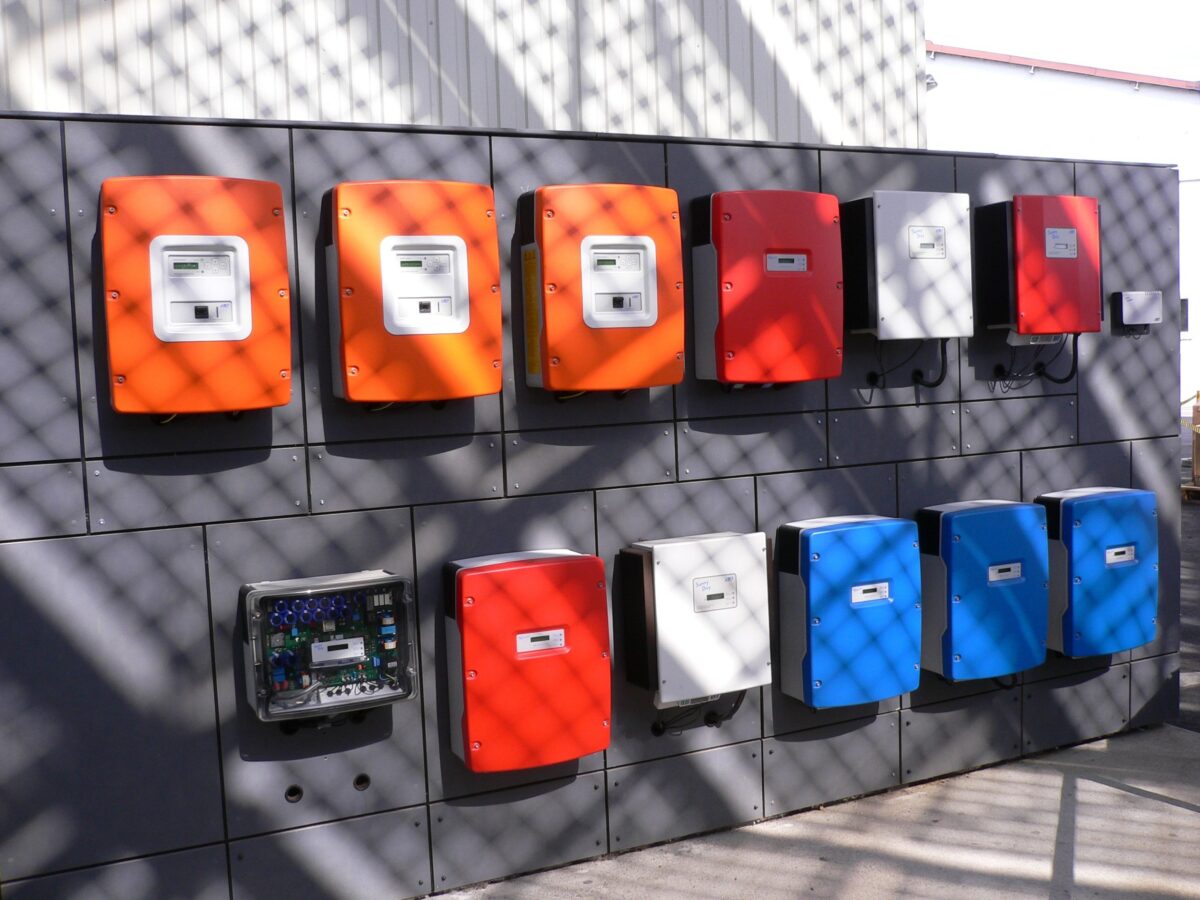
A recent study conducted in Brazil proposes a new approach to evaluating the efficiency of grid-connected photovoltaic inverters. The methodology is based on the observation that widely used weighted efficiency models do not adequately reflect a specific country’s climatic and operating conditions.
Conventional metrics, such as European efficiency and the California Energy Commission (CEC) standard, rely on weighting coefficients derived from irradiance profiles in other regions, which may distort performance comparisons when applied in Brazil.
The proposed approach introduces a new weighted efficiency formulation based on representative solar irradiance data for the country. It accounts for the fact that inverters operate at varying load levels throughout the day and year, directly affecting their average efficiency. Unlike conventional methods, the new model adjusts the weighting assigned to each operating range to better reflect Brazil’s solar generation profile.
In addition to climate-specific adjustments, the methodology incorporates technical parameters not typically included in standard metrics, such as efficiency dependence on input voltage, maximum power point tracking (MPPT) performance, and efficiency variation across different load conditions. This enables a more comprehensive assessment of inverter performance under real-world operating scenarios.
The authors note that applying foreign metrics can lead to inaccurate performance assessments, particularly in countries with high solar irradiance and distinct load profiles such as Brazil. Because inverters do not operate continuously at peak efficiency, weighted averages are essential for representing performance over time. However, if these weightings are not adapted to local conditions, they may fail to reflect actual system behavior.
The researchers say the methodology could support improved certification, labeling, and benchmarking of inverters in Brazil, particularly as distributed generation and utility-scale solar deployment continue to expand. By providing a metric aligned with national conditions, the approach may help optimize equipment selection, with potential benefits for system efficiency and project returns.
The new model was presented in the study “Development of weighted efficiency for photovoltaic inverters: A Brazilian case study,” published in Solar Energy Advances. The research was carried out by a team from the State University of Campinas (UNICAMP), with a focus on adapting performance metrics to Brazil’s operational and climatic conditions.
This content is protected by copyright and may not be reused. If you want to cooperate with us and would like to reuse some of our content, please contact: editors@pv-magazine.com.


By submitting this form you agree to pv magazine using your data for the purposes of publishing your comment.
Your personal data will only be disclosed or otherwise transmitted to third parties for the purposes of spam filtering or if this is necessary for technical maintenance of the website. Any other transfer to third parties will not take place unless this is justified on the basis of applicable data protection regulations or if pv magazine is legally obliged to do so.
You may revoke this consent at any time with effect for the future, in which case your personal data will be deleted immediately. Otherwise, your data will be deleted if pv magazine has processed your request or the purpose of data storage is fulfilled.
Further information on data privacy can be found in our Data Protection Policy.