




From ESS News
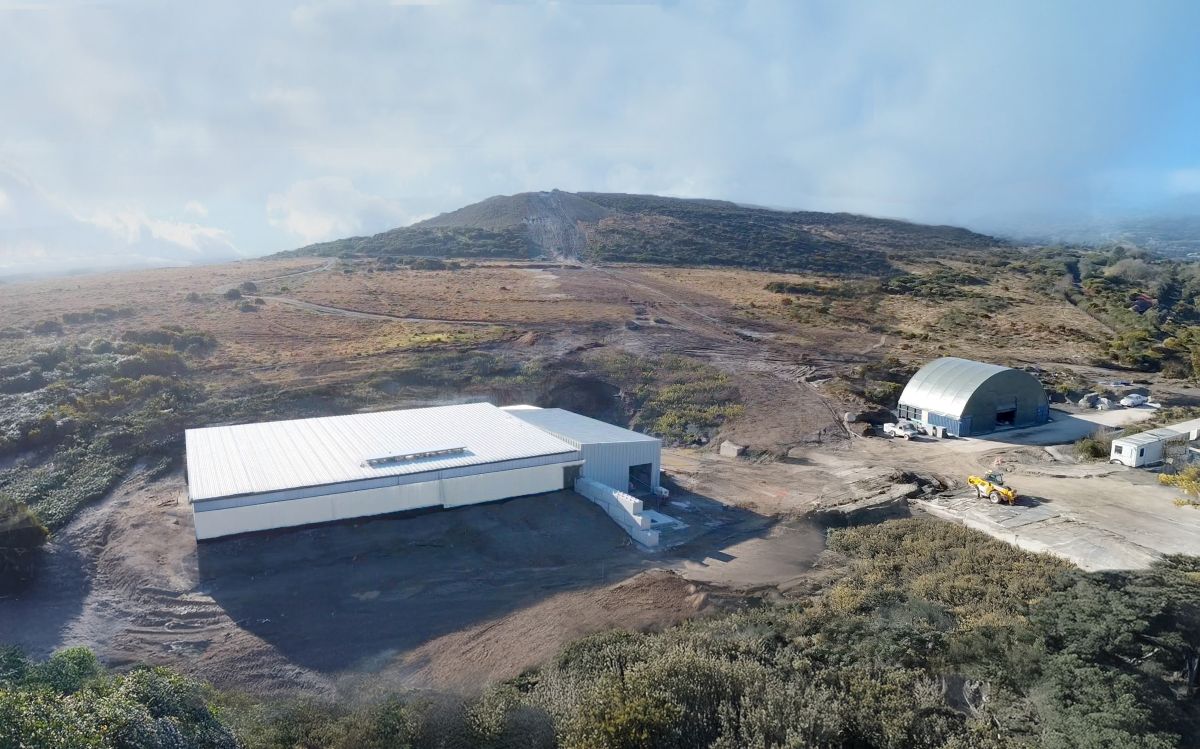
A UK startup has commissioned a pilot energy storage project designed to allow smaller, flexible hydro installations to be built in hills rather than mountains. RheEnergise secured a grant from the UK government to support development of the now operational Cornwood project in Plymouth, England.
The energy system uses a low-viscosity, denser-than-water fluid, but otherwise operates like a typical hydro energy storage plant, pumping uphill when electricity demand is low and discharging when demand is high. The low viscosity and higher density of the fluid mean the system requires two-and-a-half times less vertical elevation than a standard hydro plant, according to the RheEnergise, potentially expanding the number of viable sites for pumped energy storage.
The idea has attracted significant backing from UK and European innovation funds. RheEnergise has secured GBP 8.25 million ($11.3 million) from the UK government, as well as grant support from the European Innovation Council (EIC) Accelerator program. The company aims to have commercial-scale projects in operation within the next three years and is currently progressing potential sites in the United Kingdom, Italy, Poland, Spain and North America.
To continue reading, please visit our ESS News website.
This content is protected by copyright and may not be reused. If you want to cooperate with us and would like to reuse some of our content, please contact: editors@pv-magazine.com.

By submitting this form you agree to pv magazine using your data for the purposes of publishing your comment.
Your personal data will only be disclosed or otherwise transmitted to third parties for the purposes of spam filtering or if this is necessary for technical maintenance of the website. Any other transfer to third parties will not take place unless this is justified on the basis of applicable data protection regulations or if pv magazine is legally obliged to do so.
You may revoke this consent at any time with effect for the future, in which case your personal data will be deleted immediately. Otherwise, your data will be deleted if pv magazine has processed your request or the purpose of data storage is fulfilled.
Further information on data privacy can be found in our Data Protection Policy.