




Work is underway on progressing a large-scale floating solar project in the port of Rotterdam in the Netherlands.
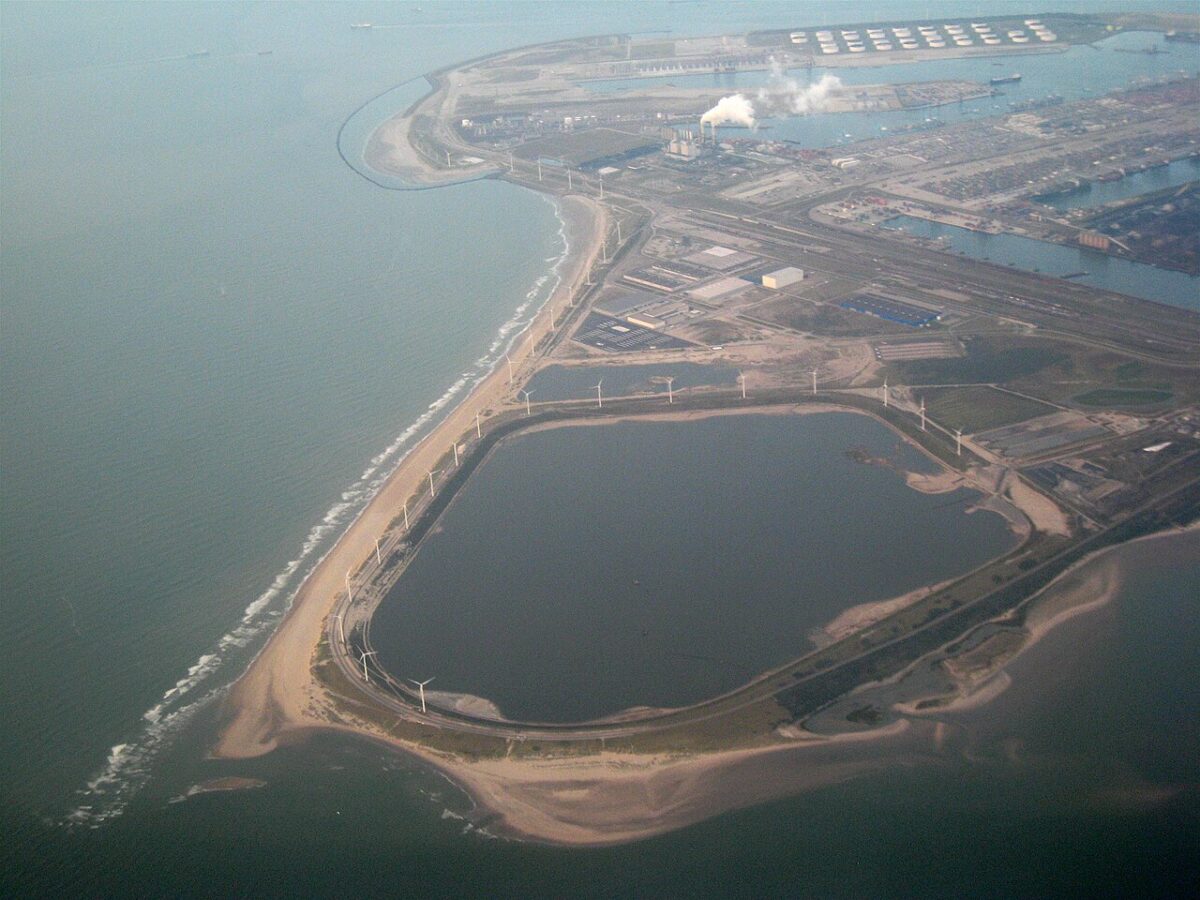
The project is set to be built on the De Slufter dredging depot, which stores contaminated dredged materials, located within the Maasvlakte, an artificial extension of the Europoort in Rotterdam.
Plans for a 100 MW project at the site were first drafted in 2019. In March 2025, Sun Float Power, comprising a consortium of Dutch companies DevCap Infra BV and Solinoor BV and Germany’s Enerparc AG, was selected to develop, build and operate a 96 MW array, covering around 80 hectares of water surface.
The project is expected to generate approximately 87 GWh of energy annually, equivalent to the consumption of 30,000 households. It forms part of the Dutch government’s Energy Generation on Central Government Real Estate national program, geared at utilizing government land for clean energy projects.
Sun Float Power is hosting a walk-in meeting at De Slufter’s office on March 10, offering members of the public an opportunity to learn more about the plan.
Due to grid congestion in the surrounding area, energy from the PV array will not be fed to the grid, instead going directly to surrounding businesses. “This creates local added value and the solar farm will not put additional strain on the electricity grid,” a statement on the Port of Rotterdam’s website says.
The port’s website adds that the Slufter dredging depot is almost completely hidden from view by a ring dike, meaning the floating solar farm will be barely visible from the surrounding area.
The project is scheduled for completion in 2027.
Once operational, the site will be one of Europe’s largest floating solar systems. The largest completed floating array is currently a 74.3 MW project inaugurated last June in France. The biggest under development is a 140 MW site in Slovenia, which is scheduled to begin construction before the end of this year.
Research by Wood Mackenzie has indicated the Netherlands could deploy 1 GW of floating solar by 2033. The analysts said they expect global floating PV capacity to reach 77 GW by the same year, led by India, China and Indonesia.
This content is protected by copyright and may not be reused. If you want to cooperate with us and would like to reuse some of our content, please contact: editors@pv-magazine.com.



By submitting this form you agree to pv magazine using your data for the purposes of publishing your comment.
Your personal data will only be disclosed or otherwise transmitted to third parties for the purposes of spam filtering or if this is necessary for technical maintenance of the website. Any other transfer to third parties will not take place unless this is justified on the basis of applicable data protection regulations or if pv magazine is legally obliged to do so.
You may revoke this consent at any time with effect for the future, in which case your personal data will be deleted immediately. Otherwise, your data will be deleted if pv magazine has processed your request or the purpose of data storage is fulfilled.
Further information on data privacy can be found in our Data Protection Policy.