




From pv magazine Latam
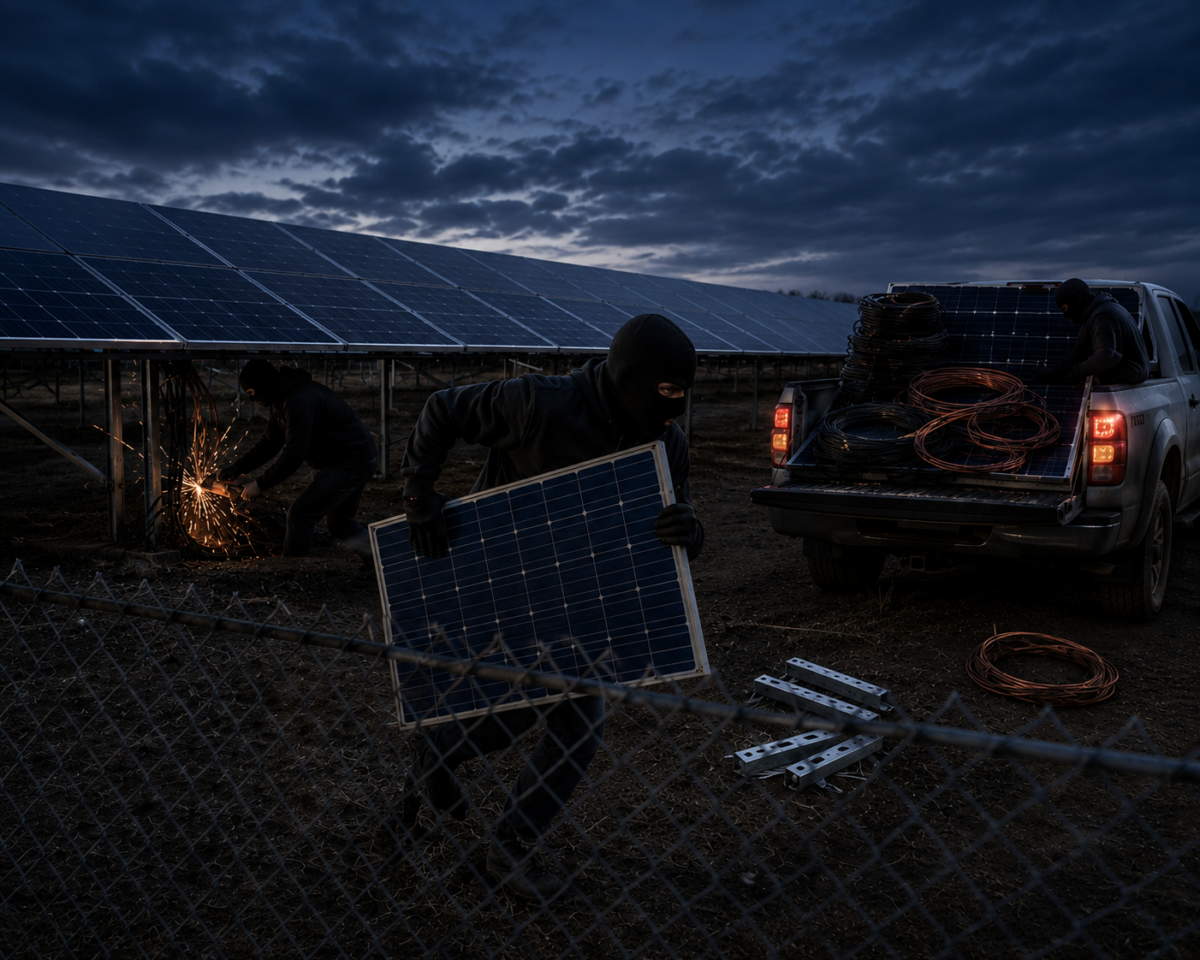
Chilean solar energy association ACESOL has reported that theft has become a widespread issue for photovoltaic projects, particularly in small and medium-scale distributed generation (PMGD) plants and installations located outside major urban areas. The association noted that the findings are not statistically representative, as they are based on surveys of association members conducted in August 2025, but they nonetheless highlight key trends in the frequency, location, and nature of incidents.
The report points to a geographical shift in Chile’s solar industry from the northern regions toward the central-southern zone. ACESOL says this expansion has also widened exposure to criminal activity, particularly in regions with strong PMGD growth.
“While theft within the photovoltaic sector has not yet reached the massive scale seen in other segments of the industry, we are concerned about the significant increase in incidents—especially given that theft of energized equipment does not appear to be random, but rather suggests a degree of specialization and technical expertise,” the executive director of ACESOL, Darío Morales, told pv magazine.
The data show a high recurrence rate, with more than 35% of companies reporting multiple incidents within a single month and nearly 80% stating that thefts occur in the early morning hours. The report indicates that criminal activity is concentrated at night, suggesting planned operations aimed at avoiding detection.
By geography, the most affected regions are O’Higgins, Coquimbo, Maule, and the Metropolitan Region. O’Higgins records the highest incidence, followed by the Metropolitan Region and Maule. The pattern aligns with areas of high PMGD penetration and industrial self-consumption projects. Overall, PMGD installations account for about 78.6% of reported thefts, significantly higher than utility-scale plants, storage systems, or self-consumption sites. The report attributes this to the remote location of many PMGD assets and more limited security protocols compared with large plants.
Cables and conductors are the main targets, followed by PV modules and inverters. The theft of cables reflects a broader trend across the power sector, driven by copper resale value and ease of transport. Other reported stolen items include tools, transformers, structural components, and auxiliary equipment, though less frequently.
The report also highlights impacts on personnel. While most incidents involve material losses only, several companies reported intimidation, minor injuries, and cases involving weapons or threats, suggesting an escalation from property crime toward higher-risk situations.
In response, companies have strengthened security measures, including private guards, surveillance cameras, reinforced perimeter fencing, alarm systems, insurance coverage, and coordination with local police. Additional measures include remote monitoring, improved lighting, motion sensors, and video transmission systems.
Overall, the association concluded that security has become a critical operational issue for Chile’s solar sector. “For this reason, it is crucial to act decisively now—by strengthening preventive measures, enforcement, and prosecution of these crimes—before this trend escalates further,” Morales said.
This content is protected by copyright and may not be reused. If you want to cooperate with us and would like to reuse some of our content, please contact: editors@pv-magazine.com.



By submitting this form you agree to pv magazine using your data for the purposes of publishing your comment.
Your personal data will only be disclosed or otherwise transmitted to third parties for the purposes of spam filtering or if this is necessary for technical maintenance of the website. Any other transfer to third parties will not take place unless this is justified on the basis of applicable data protection regulations or if pv magazine is legally obliged to do so.
You may revoke this consent at any time with effect for the future, in which case your personal data will be deleted immediately. Otherwise, your data will be deleted if pv magazine has processed your request or the purpose of data storage is fulfilled.
Further information on data privacy can be found in our Data Protection Policy.