Emiliano Bellini

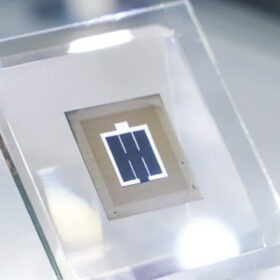
JinkoSolar achieves 32.76% efficiency in perovskite-TOPCon tandem solar cell
The result was certified by China’s National Photovoltaic Industry Metrology Test Center (NPVM). The cell utilizes a perovskite top device with MBT-ligand-controlled crystallization on a TOPCon silicon bottom cell, achieving a void-free, high-efficiency tandem structure.
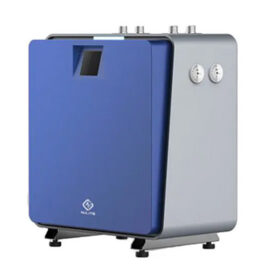
Nulite launches PV-driven residential heat pump
The Chinese manufacturer has unveiled a hybrid photovoltaic–geothermal heat pump system that uses solar electricity to directly power the unit, boosting efficiency and self-consumption. The 8–112 kW ground- and water-source system delivers heating, cooling, and domestic hot water with coefficients of performance often exceeding 4–5, while smart controls and the ground loop act as a thermal battery to optimize year-round performance.

Smart meters are vulnerable gateways to cyberattacks
Researchers found that widely deployed smart meters pose a “massive” cybersecurity risk, potentially enabling data manipulation, energy theft, and service disruption. They propose a new detection method using state estimation and statistical boundaries to more accurately identify cyberattacks, outperforming traditional techniques despite higher computational demands.
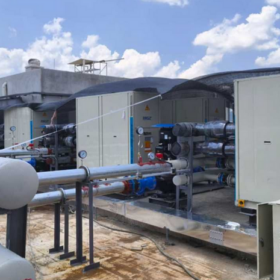
PVT-driven tower heat pump for building retrofits
Researchers in China demonstrated that integrating energy tower heat pumps with evaporator-side boilers, air-source heat pumps, or solar-assisted systems can significantly improve winter heating efficiency and economic performance in commercial buildings. Among the four configurations tested, the evaporator-side boiler and solar-assisted systems delivered the highest performance and energy savings, offering a sustainable, low-carbon alternative to conventional heating.

Solar cyber threats expand, but inverters still stay in the crosshairs
In an interview with pv magazine, Jay Johnson, the CTO of US-based cybersecurity firm DERSec, explains that PV systems face cybersecurity risks that extend far beyond inverters, as demonstrated by a December attack on Polish solar plants where wiper malware targeted substation equipment rather than the inverters themselves. Vulnerabilities often lie in backhaul communication channels like APIs and mobile apps, making layered defenses, network segmentation, and vigilant monitoring essential to safeguard distributed energy resources.
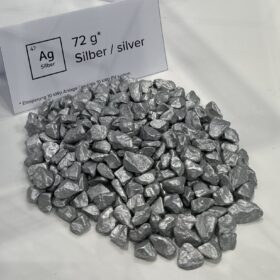
Silver prices find new floor around $70 an ounce
Silver prices have fallen by more than 40% since early January, when they reached an all-time peak of about $120/oz.
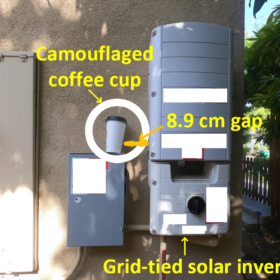
When tiny magnets attack PV systems
In an interview with pv magazine, cybersecurity expert Mohammad Al Faruque explains how seemingly simple sensors in PV systems and other energy systems are surprisingly vulnerable to magnetic, electrical, and acoustic perturbations, which can remotely influence control systems without physical access. Protecting these sensors requires both strict physical security and the development of hardened, interference-resistant technology to safeguard critical infrastructure.
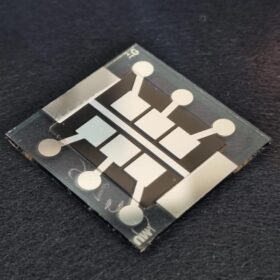
Scientists build high temperature-resistant perovskite solar cell with 26% efficiency
LMU researchers have developed a dual molecular reinforcement strategy for perovskite solar cells that strengthens grain boundaries, improving both durability and performance.
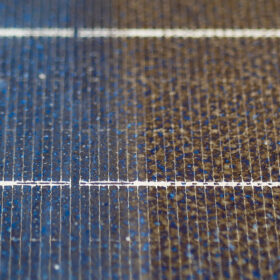
Fraunhofer CSP warns some cleaning agents may reduce PV module performance by up to 5.6%
Researchers at the German institute found that some widely used PV cleaning agents can damage anti reflective glass coatings, significantly reducing solar module efficiency. Their tests showed that while some cleaners are safe, others cause visible and permanent coating degradation, highlighting the need for careful selection of cleaning products to avoid long term performance loss.
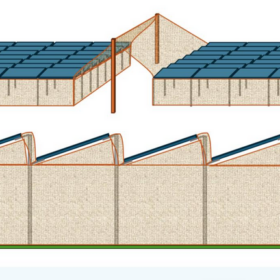
The case for ground-level agrivoltaics
German engineering firm BEC Energie Consult has developed a substructure for low-mounted agrivoltaics designed to provide cost-efficient installation while supporting crop growth and livestock management, with the potential to enhance economic viability.
