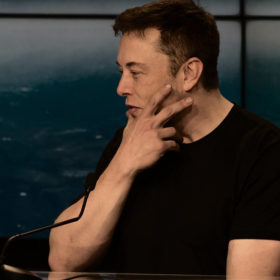
Panasonic suspends work at Tesla’s Nevada fab as carmaker’s California and New York gigafactories pause
Tesla’s Nevada operation is still open for business, though. The EV and battery maker has assured the market its cash position is strong enough to weather an “extended period of uncertainty”.
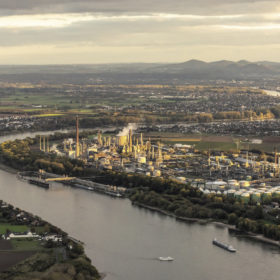
The weekend read: Hydrogen is getting cheaper
Electrolyzer manufacturers are in agreement on the goal of rapidly reducing investment costs, mainly through economies of scale. Some are embracing large units, while others are betting on quantity over size. The first approach is attractive for operators of large PV plants, while the latter is better suited to operators of small systems.
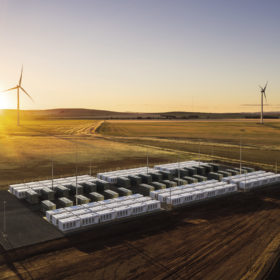
Capturing the full value of energy storage
The International Renewable Energy Agency has devised a valuation framework to lay the foundations for successful storage deployment. As the technology matures and moves toward a projected fall in price, revenue stacking will be crucial to assess viability and properly value its benefits.

Forget toilet paper, Australians are panic-buying PV
Byron Bay-based solar retailer Smart Energy says it is seeing an unprecedented surge in sales and enquiries for solar and home energy storage as consumers look to shore themselves up in uncertain times.
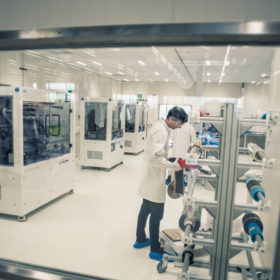
Four challenges to solid-state battery scale-up
A paper by scientists at the University of California San Diego has outlined a technology roadmap for the development of solid-state batteries – and four challenges to address for the technology to advance.

Analyst expects recovery for PV and storage supply chains
U.S.-owned analyst Wood Mackenzie expects solar demand to decline but predicts the market will recover, with the prospects for the energy transition remaining intact.

UK deals for vanadium redox flow merger and electric vehicles announced
English partners appear to be in demand with a London-based vanadium flow supplier tying up with a U.S. partner just as an automotive design company in Coventry announces plans for electric and hydrogen vehicle production in the West Midlands.

UN-backed fund to support solar businesses in Burkina Faso
A fund backed by the United Nations and the government of Luxembourg is helping companies to provide small solar PV systems and innovative cooking stoves in the economically challenged West African nation.
Big solar+storage project linked to hydrogen production in Spain
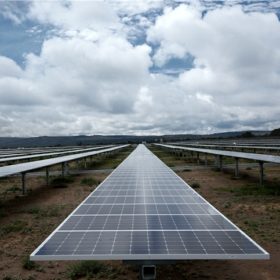
Spanish utility Iberdrola plans to link a 100 MW/20 MWh solar-plus-storage plant to hydrogen production in Puertollano, in southern Spain. The project will require an investment of up to €150 million euros and will be one of the largest installations of its kind in Europe.
Sector coupling in Europe could see solar and wind demand double
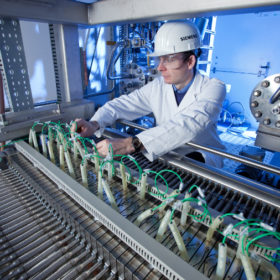
Market intelligence firm BloombergNEF has published a report with power company Statkraft and clean energy distributor Eaton highlighting the importance of sector coupling for Europe’s decarbonization plans. Analysts examined the power markets of Germany and the U.K. and concluded effective sector coupling including the use of green hydrogen could lead to greenhouse gas emission reductions of 83% by 2050.
