
Uzbekistan pitches for 5 GW of solar by 2030
The country’s previous solar target was 4 GW by 2031. Around 1.4 GW of large scale projects are expected to be tendered this year, according to a document published by the Ministry of Energy.
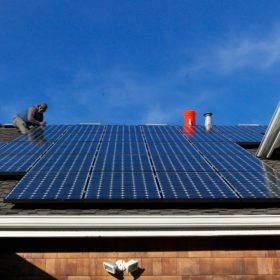
Power-to-heat-to-power storage for rooftop PV
Scientists in Spain have assessed the viability of ‘power-to-heat-to-power storage’ in a residential solar installation in Madrid. The technology could reduce electricity bills by more than 70% and would have a 12 to 15-year payback period, according to the researchers.
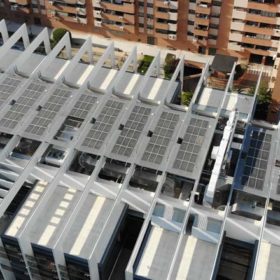
Spanish oil giant pushing community solar
Oil and gas business Repsol has launched Solmatch, the nation’s first large solar community.

SunPower accesses $1bn in residential solar and storage loan capital from credit union
The cash injection from Tech CU will fund the installation of ‘tens of thousands’ of the Californian manufacturer’s solar panels on residential rooftops over four years, according to the company.
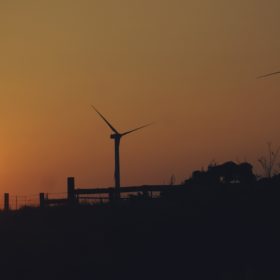
A mega solar and wind project for Western Australia
The 15 GW Asian Renewable Energy Hub has been recommended for approval by environmental authorities in the Pilbara region. The project was originally intended to export clean energy to Jakarta and Singapore via subsea, high voltage DC cables but its focus has shifted to domestic industrial consumers.
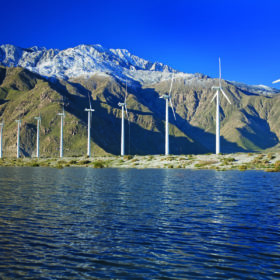
Storing solar and wind energy with compressed air
Researchers have studied the potential of using compressed air to store renewable energy in offshore saline aquifers. The technology could hold 77-96 TWh for up to two months in British waters, although the costs have proven hard to pin down.
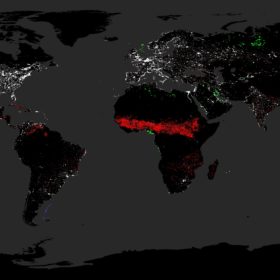
Tackling climate change with machine learning: Covid-19 and the energy transition
The effect the coronavirus pandemic is having on energy systems and environmental policy in Europe was discussed at a recent machine learning and climate change workshop, along with the help artificial intelligence can offer to those planning electricity access in Africa.

Another 11 solar mini-grids for Mozambique
The public body responsible for expanding access to electricity is seeking consultants to prepare a tender for rural PV mini-grids.
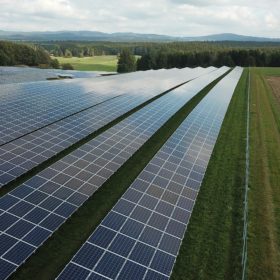
LCOE from large scale PV fell 4% to $50 per megawatt-hour in six months
Analysts at Bloomberg New Energy Finance say the lowest-cost projects financed in Australia, China, Chile and the UAE in the last six months hit a levelized cost of energy of just $23-29/MWh and the best solar and wind projects will produce electricity for less than $20/MWh by 2030.
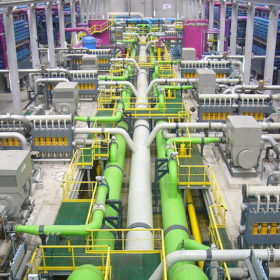
Solar can drive down levelized cost of desalinated water
A study from Finland’s Lappeenranta University of Technology states decarbonization of desalination could help achieve a levelized cost of water of €0.32-1.66 per cubic meter. Solar and storage are expected to play a decisive role.
