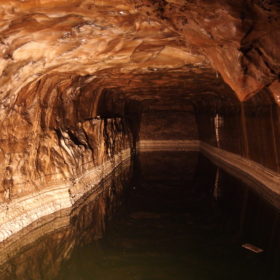
Hydrogen storage in salt caverns
Researchers in Germany have identified salt caverns as a feasible and flexible solution for hydrogen storage. They also revealed that Europe has the potential to inject hydrogen in bedded salt deposits and salt domes, with a total storage capacity of 84.8 PWh.
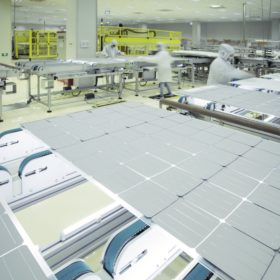
Analyst expects ‘unprecedented’ consolidation of Chinese solar industry
PV manufacturers unable to live with proposed new quality guidelines and project developers alike are set to be squeezed out by the state in the world’s biggest solar market, according to Frank Haugwitz, who has compiled a market update as preparations for the next five-year plan gather pace.
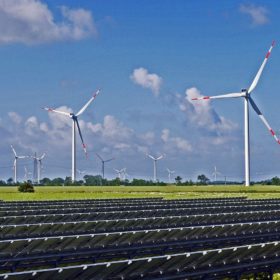
India set to add 15 GW of wind-solar hybrid capacity in five years
Almost 10 GW of hybrid generation capacity is already under implementation despite the nation having only 100 MW of combined wind and PV projects at present, according to analyst Crisil.
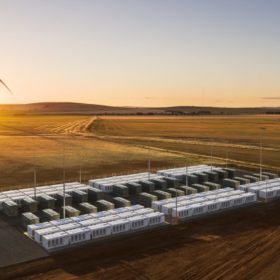
Finland to stabilize grid with 30 MW/30 MWh battery
The Yllikkälä Power Reserve One project will be one of Europe’s largest storage installations and the biggest in the Nordic countries. French developer Neoen will deploy the big battery close to Lappeenranta in the southeastern part of the country.
New 3.6 GW PV-powered hydrogen project announced in Australia
Austrom Hydrogen, a newcomer to the Australian renewable energy scene, has unveiled plans to develop a large solar project, battery storage system, and hydrogen generation facility in Queensland.
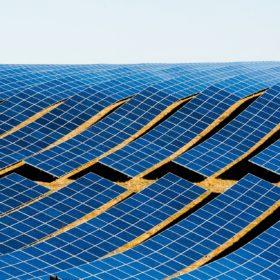
Historic-low interest rates will power ahead astonishing solar cost reductions
An Ieefa report has suggested the cost of generating electricity from solar will be near zero in the world’s sunniest regions by 2030-40 – despite what the naysayers at the International Energy Agency might think.
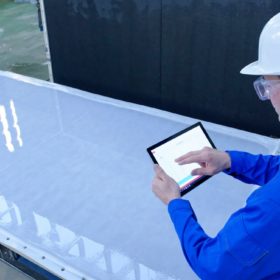
Thyssenkrupp increases annual electrolyzer capacity to 1 GW
The German conglomerate’s electrolyzers boast efficiency levels of up to 80%. The modular devices can be connected to form plants of almost any size.
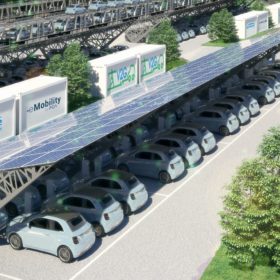
EV batteries providing grid stabilization services at Italian car factory
Fiat Chrysler has begun construction of a vehicle-to-grid pilot at its Mirafiori manufacturing facility in Turin. The project, which also includes 5 MW of PV, will eventually become a virtual power plant.

PV systems could provide up to 60% of output during hurricanes
Researchers in the U.S. have demonstrated, using simulations, PV system generation can range from 18-60% of clear-sky potential during hurricanes – provided the arrays do not suffer damage. According to them, solar installations could continue to provide back-up power when grids are down during hurricanes, especially if coupled with energy storage.
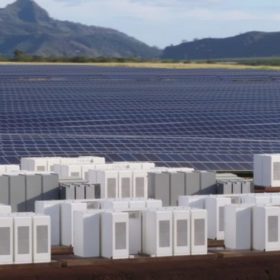
Hawaiian utility allocates 460 MW of PV and 3 GWh of storage in renewable energy procurement
Winners of the island state’s largest ever renewable energy procurement include AES, Hanwha, Engie, EDF, Longroad.
