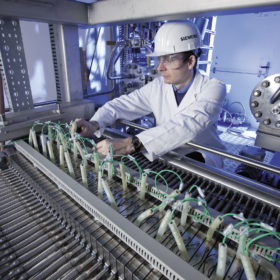
The slow, inexorable rise of green hydrogen
The International Renewable Energy Association says the integration of hydrogen into the energy transition will not happen overnight and electrolysis costs will not be halved until the 2040s. That hydrogen and related products could revolutionize the world energy landscape, however, is not in doubt.
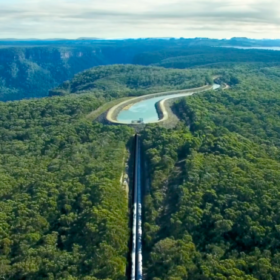
China set for 40 GW of pumped hydro storage next year
The showpiece 3.6 GW Fengning county project which will offer grid services and back-up power at the 2022 Winter Olympics is part of a 31.15 GW construction pipeline of projects, many of which are set to come into service next year.
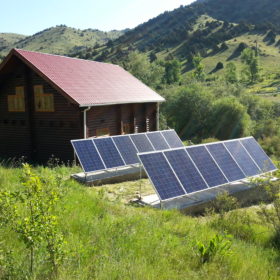
France to fund innovative off-grid renewables projects in Africa
The French development agency and the environment ministry have a €1.6 million budget to finance novel off-grid projects from companies and NGOs operating with local partners in Africa.
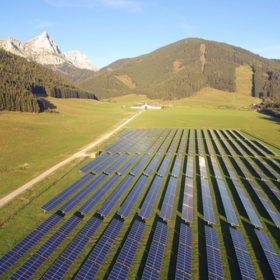
Austria scraps its sun tax
The nation’s political parties have found agreement on a green electricity package which is expected to create stable conditions for the next three years. From next year, €36 million will be made available annually for the further support of PV systems and energy storage.
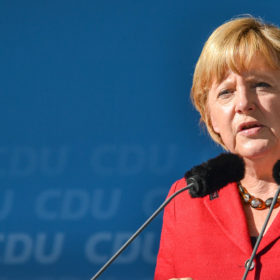
Germany lifts cap on solar FIT program with new Climate Change Act
While the solar industry will welcome the move, the feed-in tariff paid to small systems is still reducing thanks to the volume of new capacity installed every quarter. Announcing a wide-ranging policy package on Friday, Angela Merkel admitted Germany will miss the carbon emission target set for next year.
Siemens and TIES to open battery research center in China
The facility is set to open this year and will offer battery suppliers digitalization research and manufacturing consulting. Smaller manufacturers will be able to use shared laboratories for research.

Tender for megawatt scale solar-plus-storage launched in Sri Lanka
A planned 10 MW solar project will be coupled with a storage system with a minimum capacity of 8 MWh. The facility will be near Hambantota in southern Sri Lanka.
Indian renewables leaders split over need for regulation
While some of the industry insiders at REI 2019 have made predictable calls to scrap restrictions imposed by regulators, others have continued to maintain that policy support is crucial, while audience members voiced concerns about India’s lack of recycling rules.
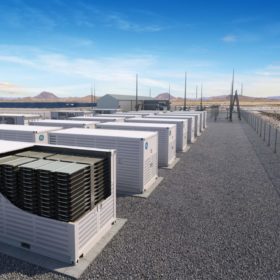
GE to supply 100 MW/300 MWh battery for South Australia solar farm
GE Renewable Energy has been chosen to supply a massive battery for the 200 MW Solar River Project in South Australia.
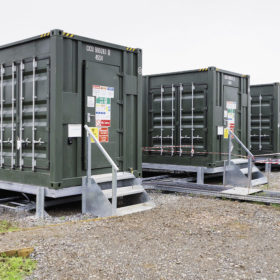
Solar-plus-storage vs grid enhancement, part IV
Co-location of solar and storage may accelerate the deployment of profitable merchant renewable energy projects in the United Kingdom, according to a report by Aurora Energy Research. The study predicts installed solar capacity in the U.K. may increase from around 13 GW next year to 19 GW in 2030 and 32 GW in 2040.
