
Japan adds 5.8 GW of solar in 2025
Estimates indicate Japan added between 5.8 GW and 6 GW of solar last year, likely taking the country past 100 GW of cumulative solar capacity. Last year’s installations were led by the commercial and industrial market, while the residential sector also saw increased demand.

Estonia deploys 105 MW of solar in 2025
Estonia’s cumulative solar capacity reached around 1,430 MW by the end of last year. Year-on-year installations slowed as the country’s solar market begins to saturate, with future growth expected to be driven by supplementing solar parks with batteries.
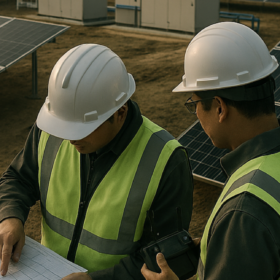
South Korea eases solar siting rules to cut permitting delays for PV projects
South Korea has passed legislative amendments to limit the ability of local authorities to impose separation distances on solar projects, removing a major permitting barrier for PV developers.

Moldova installs 315 MW of solar in 2025
Moldova had a record year for solar deployment last year, taking cumulative capacity to 710 MW. There is now just under 1 GW of renewables installed in the country.
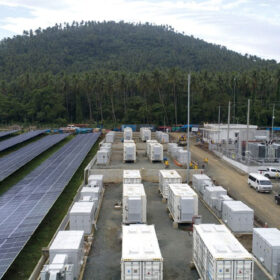
Philippines mandates energy storage for renewables plants over 10 MW
Department of Energy (DOE) order sets out new rules for mandatory energy storage, including a minimum capacity of at least 20% of the generating plant’s installed capacity. DOE also calls for energy storage systems (ESS) installations to have grid supporting capabilities, such as grid-forming inverters to help stabilize voltage and frequency.

Greece to open applications for 130 MW agrivoltaics plan
Greece’s distribution grid operator will begin accepting applications for agrivoltaic systems on March 4, marking the first step in implementing a new law targeting 130 MW of capacity nationwide.
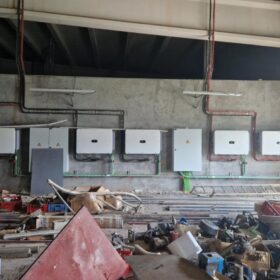
Spain’s self-consumption solar boom leaves trail of technical faults in C&I installations
A survey of more than 800 Spanish C&I PV installations following the 2019–2022 self-consumption boom found significant administrative, technical and monitoring deficiencies in all audited systems, with 13.2% of businesses reporting savings far below expectations.

UK solar hits 21.8 GW
State support for solar should result in a record year for PV deployment in the United Kingdom, with strong provisional January data putting market on a good footing. Pipeline of CfD plants due in 2026 plus ramping up of support for rooftop set the stage for accelerated capacity additions.

Latvia deploys 258 MW of PV in 2025
With Latvia’s cumulative solar capacity reaching 920 MW by end of 2025, the Latvian Renewable Energy Alliance says the 1 GW threshold may now have been surpassed. The country also appears on track for a record year in solar deployment this year, as some of the largest projects in the pipeline materialize.

Ireland adds 1 GW of solar in 2025
Ireland reached 2,345 MW of installed solar capacity by December 2025, more than tripling installed capacity since 2023, according to Solar Ireland data. The country’s development pipeline has currently reached 1.7 GW.
