
Module prices plunge as Covid-19 hammers demand
Some European countries and emerging markets are now showing signs of slow recovery, as the Covid-19 pandemic brought overseas markets to a shuddering halt in late March. However, demand is expected to remain weak through the beginning of the third quarter, writes PV InfoLink’s Amy Fang, as it will take time for overseas markets to snap back. Meanwhile, the Chinese market is again busy with the June 30 installation rush, as the government has left tariff timelines unchanged up to the middle of May.

Business & Human Rights Resource Centre investigates human rights issues in solar, wind
An assessment of the human rights performance of the world’s leading solar and wind power companies has painted a grim state of affairs, with the only dedicated solar manufacturer analyzed scoring 7%.
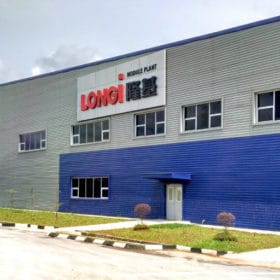
Longi launches 540-Watt Hi-MO5 module
The Chinese manufacturer has debuted two models in the new bifacial, double-glass series to join the scramble for a slice of the 500 W-plus market and to stake its claim to have the 182mm, M10 wafer adopted as the industry standard.

The weekend read: Green finance and the future of PV
According to the IEA’s World Energy Investment 2020 report, the Covid-19 pandemic has resulted in the largest ever drop in global energy spending, with investment expected to plunge in every major sector, from fossil fuels to renewables and efficiency. Felicia Jackson explores the future of solar and the impact green stimulus could have on the sector.
LevelTen Energy opens procurement of up to 500 MW of European renewables capacity
U.S.-based tender platform has invited proposals for projects ranging in scale from 50-500 MW on behalf of an unnamed client which is a member of the RE100 clean energy campaign. European developers have until July 20 to lodge their bids.
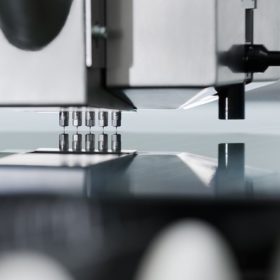
German PV production equipment suppliers see worst sales slump since industry hit rock bottom
Industry body the VDMA said business fell 55% from the final three months of last year to the first quarter of this year for the worst retreat since 2012. The nature of the order book and sales figures can both be explained by the global progress of Covid-19, according to the organization.
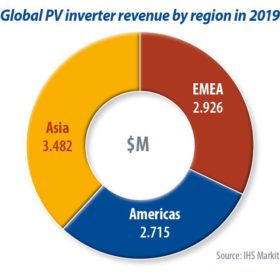
Record shipments push global solar PV inverter market past $9 billion in 2019
The PV inverter market achieved record shipments in 2019, writes IHS Markit’s Miguel de Jesus, driven by booming shipments in key markets such as the United States, Spain, Latin America, Ukraine and Vietnam. Revenue rose rapidly, surpassing the $9 billion mark in 2019 for the first time.
Covid-19 weekly round-up: Polish solar is immune to the effects of Covid-19 and the coronavirus will drive EV manufacturing from China to India, apparently
Plus, one Australian installer says residents who had installed solar and storage at home will be cushioned against thumping, coronavirus-related electricity bill rises this quarter and there are signs of recovery in overall energy consumption levels.

Chinese PV Industry Brief: State entity set to gain controlling vote in Jolywood as Yunnan plans 620 MW of solar
The controlling shareholders of Shenzhen-listed solar manufacturer Jolywood have agreed to sell their stakes to state-owned WJ Energy, as two more power companies revealed big plans for new capacity. NYSE-listed Daqo, meanwhile, is mulling an IPO in its homeland.

Ukraine retroactive FIT cuts far from universally accepted
They are words to chill the soul of solar project owners when uttered in relation to feed-in tariffs: retroactive FIT cuts. A Ukrainian government smarting at the cost of funding an overly successful solar incentive program appears bent on emulating the approach of governments in Spain, Italy and Czechia by reopening signed payment contracts to reset the monies paid for clean power, despite the costly lawsuits that have greeted such moves in the past.
