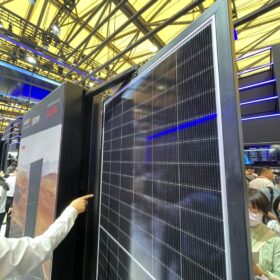
Longi announces 27.30% efficiency for heterojunction back contact solar cell
The Chinese module manufacturer said the new efficiency record was confirmed by Germany’s Institute for Solar Energy Research (ISFH).
Global solar manufacturing sector now at 50% utilization rate, says IEA
The International Energy Agency (IEA) says that global solar cell and module manufacturing capacity grew by around 550 GW in 2023. It reports that around 80% of the global PV manufacturing industry is currently concentrated in China, while India and the United States each hold a 5% share. Europe accounts for a mere 1%.
Italy bans PV from agricultural land
The Italian government has issued a new decree to completely ban solar from agricultural land. The new provisions will not apply to projects currently undergoing the approval process.
Belgian grid operator releases tool to help residential PV system owners detect inverter failures
The so-called “network checker” will allow residential PV customers in Belgium to check if there have been any inverter failures in their local area. It comes after Belgian grid operator Fluvius launched a compensation scheme for those who are not reconnected within 30 working days of a curtailment.
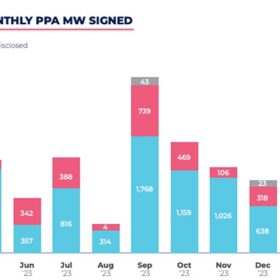
Pexapark records 9.8% jump in European PPA prices for March
Swiss consulting firm Pexapark noted a rise in European power purchase agreement (PPA) prices in March, for the first monthly increase since August 2023. It recorded 18 PPAs in March, totaling 718 MW, with solar accounting for 398 MW across nine deals.
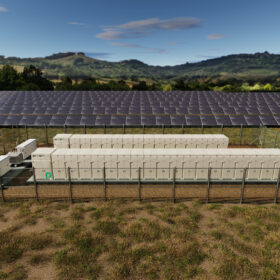
Netherlands allocates €100 million for battery storage subsidies
The Dutch government has earmarked €100 million ($106.7 million) of subsidies for the deployment of battery storage alongside PV projects. The funds are part of a €416 million subsidy program announced last year to alleviate grid congestion.
Europe’s negative price trend could continue until summer
AleaSoft and SolarPower Europe inform pv magazine that negative energy prices in Europe are related to the pandemic, low demand, insufficient storage solutions, and inadequate energy planning. They say this situation will likely continue into the summer.
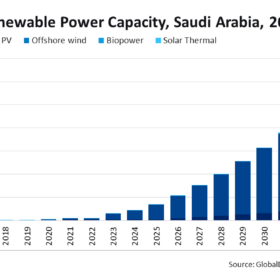
Saudi Arabia could hit 130 GW of renewables by 2030, says GlobalData
GlobalData say it is “plausible” that Saudi Arabia could close in on its target of 130 GW of renewables by 2030 by strengthening policies, competitive auctions and other financial measures.
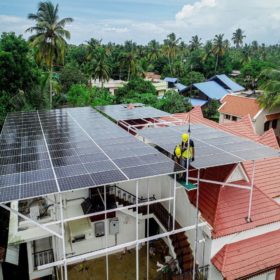
India releases draft guidelines for residential rooftop solar subsidies
India’s Ministry of New and Renewable Energy (MNRE) has released draft guidelines for the PM Surya Ghar: Muft Bijli Yojana scheme, which aims to install rooftop solar plants in 10 million households, with subsidy support from the central government.
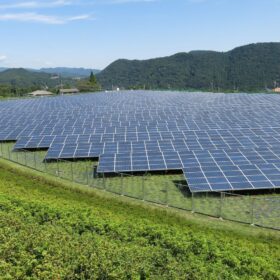
US legal experts dispel 14 false claims about solar, wind, electric vehicles
Columbia Law School has collected and rebutted 33 false claims against clean energy technology as part of its ongoing research on climate change.
