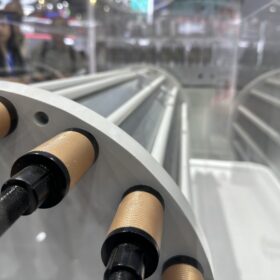
The Hydrogen Stream: Air Products cancels three US projects
Air Products is pulling out of three US projects due to unfavorable economics and regulatory changes. The company says it remains focused on its Neom green project in Saudi Arabia and the Louisiana Clean Energy Complex
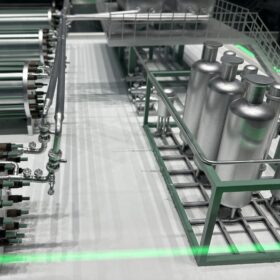
The Hydrogen Stream: Spanish government allocates €1.2 billion for renewable H2 clusters
The Spanish government allocated €1.2 billion ($1.26 billion) for seven green hydrogen clusters concentrated in Aragon and Andalusia. Meanwhile, an EU consortium started its work to develop diagnostic and monitoring tools for water electrolyzers.
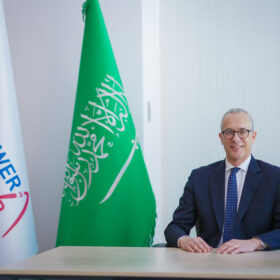
ACWA Power building hydrogen bridge between Europe and Middle East, North Africa
In an exclusive interview with pv magazine, ACWA Power CEO Marco Arcelli said the Saudi energy giant is currently exploring opportunities to build a hydrogen corridor between Europe and the Middle East and North Africa. He spoke about the company’s current 2 GW hydrogen project in Neom and presented the company’s plans for renewable energy and desalination.
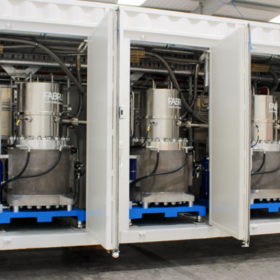
Airport-based green hydrogen test plant paves way for zero emissions aviation
Aotearoa-based green hydrogen solutions company Fabrum has opened an advanced liquid hydrogen test facility in partnership with Christchurch International Airport, believed to be the first at an airport that can provide hydrogen on demand.

The Hydrogen Stream: H2 projects in Algeria and Mauritania under the spotlight
As Saudi-Algerian researchers report on the northern African country’s hydrogen potential, Denmark’s GreenGo Energy starts its 6 GW electrolysis hydrogen project in Mauritania.
Adani moves to allay fundraising fears
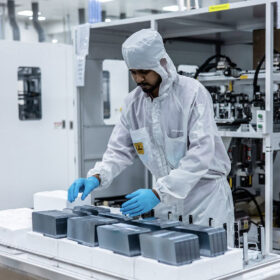
Following the indictment of its chairman, Gautam Adani, in the United States over bribery allegations, questions are being asked about Adani Group’s ability to raise capital. With the charges related to solar, India’s PV industry has wider concerns. Adani Group refutes the allegations and says it is as robust as ever.

The Hydrogen Stream: China not to dominate the electrolyzer supply chains, says Oies
The Oxford Institute for Energy Studies (OIES) says China’s efforts to cut electrolyzer costs could follow its success in solar, but will not guarantee dominance in global supply chains.
The impact of PV module orientation, water quality on hydrogen production
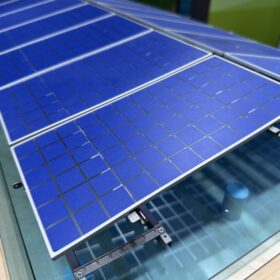
Scientists in Tunisia have investigated the impact of PV panel tilt and water quality on green hydrogen production and have found that, with a variable orientation PV panel, the hydrogen generator could reach an efficiency ranging from 32% to 62% using demineralized water and 45% to 65% with distilled water.
Waaree breaks ground on alkaline electrolyzer factory
Waaree Group has started building an alkaline electrolyzer factory in India. The facility will commence operations with 300 MW of production capacity.
The Hydrogen Stream: TalusAg starts green ammonia production in Iowa
Landus and TalusAg have launched commercial green ammonia production in Iowa, backed by US federal clean hydrogen tax credits, while Iberdrola España and BP have started building Spain’s largest green hydrogen project, with 25 MW of capacity.
