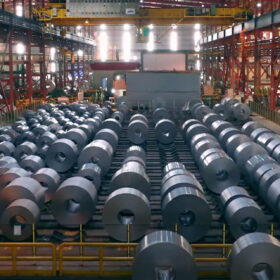
JSW Steel to use green hydrogen to make steel in India
JSW Energy says it plans to set up a green hydrogen plant with an annual capacity of 3,800 tons to supply steel to JSW Steel, driven by 25 MW of renewable energy.
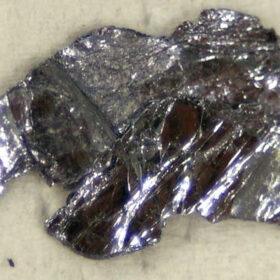
The Hydrogen Stream: Chinese scientists exploring new catalysts for hydrogen
Shanghai University scientists have started researching molybdenum-doped nickel-cobalt phosphide catalysts for hydrogen production, and Indian scientists have devised a method to produce hydrogen from methanol.
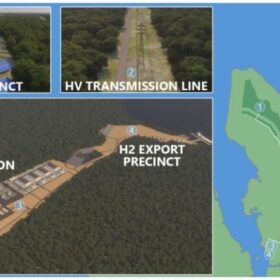
Australian developer plans 2.6 GW solar farm for green hydrogen project
Provaris Energy has advanced its Tiwi H2 green hydrogen export project for the Tiwi Islands in Australia’s Northern Territory, with the design feasibility report for the proposed solar farm and transmission system now complete.
The Hydrogen Stream: Germany to use hydrogen ‘in all sectors’
The German authorities have announced plans to double domestic electrolysis capacity to 10 GW by 2030, BloombergNEF has reported that green hydrogen became competitive with gray hydrogen earlier than expected, and Chinese researchers have presented new research on microbial hydrogen production.
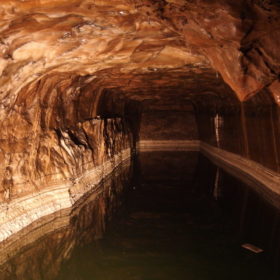
The Hydrogen Stream: Gasunie reports strong interest in salt cavern H2 storage
Dutch gas supplier Gasunie says several market participants have reserved capacity in the first salt cavern for large-scale hydrogen storage near the Dutch city of Groningen. According to current planning, the first cavern will be operational by 2028.
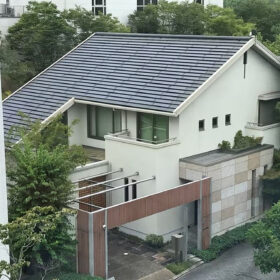
Japanese real estate firm starts residential solar hydrogen project
Sekisui House-W is testing a pilot project consisting of a residential PV system, a small-sized electrolyzer, hydrogen-absorbing alloy tanks, and a fuel cell. The company said the hydrogen storage alloys used in the project have higher energy density than battery storage.
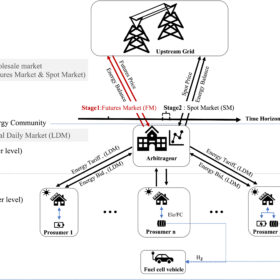
Energy communities operating on hydrogen, batteries
Researchers in Spain have studied the impact of hydrogen production and storage technologies in risk management for energy communities with internal price-tariff systems. They found that the optimal involvement in futures markets and spot markets will depend on a community’s risk aversion and self-sufficiency.

The Hydrogen Stream: US scientists hit PV water-splitting efficiency of 20.8%
US researchers have developed new integrated halide perovskite photoelectrochemical cells, while Fortescue Future Industries has revealed plans to acquire a hydrogen project from Nikola in Arizona.
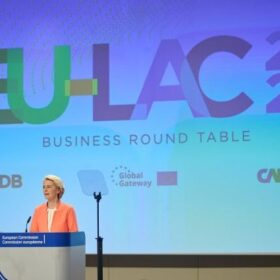
The Hydrogen Stream: EU, Argentina, Chile, Uruguay to partner on hydrogen
The European Commission and the European Investment Bank have agreed to collaborate with Argentina, Chile and Uruguay on hydrogen, while Masdar, Mitsubishi and Inpex have said that they will use green hydrogen to produce e-methane and polypropylene.
Australian developer plans 900 MW of solar for green hydrogen project
Traditional owners in Western Australia will partner with advisory firm Pollination to develop what could be Australia’s largest solar farm. The move is part of plans to build a gigawatt-scale green hydrogen and ammonia project in the northwestern part of the country.
