
California unlikely to reach clean energy targets without rooftop solar
California’s rooftop solar industry is rapidly shedding jobs and losing companies to bankruptcy due to policy changes. The California Solar and Storage Association (CALSSA) has suggested some near-term policy changes to slow the bleeding.
AI tech for DC arc detection in PV systems
Scientists from China have developed a novel system that can detect DC arcs in PV installations through a back-propagation neural network. The novel technique reportedly ensures a detection time of less than 200 ms.
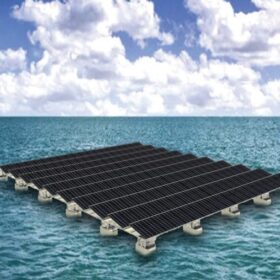
UAE startup unveils floating structure for offshore PV
Dubai-based Floating Man is currently negotiating contracts for the deployment of a novel floating structure for offshore solar. A 900 m2 system built with the floaters could support up to 200 solar panels.
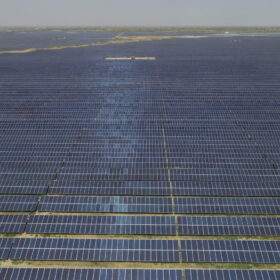
ICRA expects India to add 17 GW of new PV capacity this year
Ratings agency ICRA says India could install 17 GW of new PV capacity this year and another 20 GW in 2025. It maintained a stable outlook for the renewable energy sector in India on the back of strong policy support, healthy demand prospects, and tariff competitiveness.
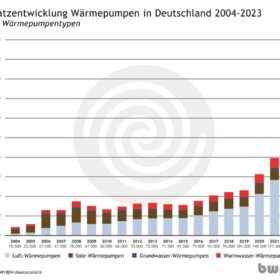
Germany hits 356,000 heat pump installations in 2023
Heat pump sales in Germany rose by more than 50% for the second year in a row in 2023, according to new figures from Bundesverband Wärmepumpe (BWP).
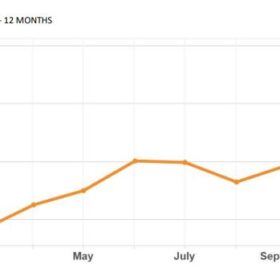
Australian consumers say bigger is better for rooftop solar
Solar panel and system prices are on the decline in Australia, but figures from industry analyst SunWiz show that a growing number of Australian households are opting to forgo savings in search of higher generation capacity.
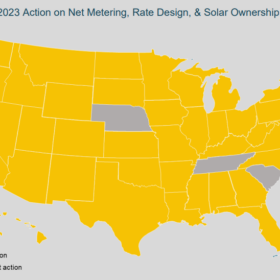
Distributed US solar and storage policy trends
The NC Clean Energy Technology Center covers the latest trends in US solar policy.
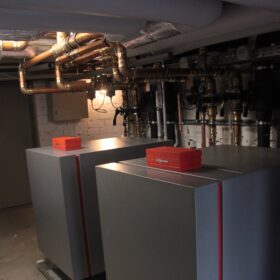
Rising CO2 prices could make PV heat pumps cheap choice for German homes
Germany’s Fraunhofer Institute for Solar Energy Systems (Fraunhofer ISE) says rising CO2 prices could make PV-powered heat pumps the most cost-effective choice for residential heating in the country, with heat pump uptake and district heating adoption proving more economical than replacing gas heating.
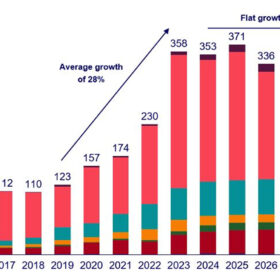
WoodMac predicts strong yet flat global PV growth through to 2032
Wood Mackenzie says the solar industry has reached a new stage in its evolution and is predicting around 350 GW of global solar installations annually for the next eight years. The research firm is also forecasting challenges for the solar manufacturing sector and long-awaited benefits from the Inflation Reduction Act in the United States.
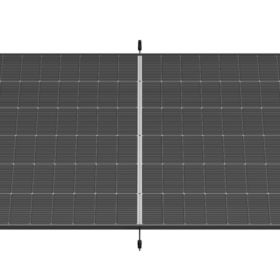
Trina Solar presents bifacial dual-glass TOPCon solar modules for rooftop PV
The Chinese manufacturer said its new TSM-NEG9RC.27 and TSM-NEG18R.28 combine n-type technology with 210mm rectangular silicon wafer (210R) cell technology. Their temperature coefficient is -0.29% per C and their efficiency can reach up to 22.3% and 22.7%, respectively.
