
Combining PV-driven heat pumps with district heating in multi-apartment buildings
An international research group has investigated how PV-powered heat pumps and district heating could be combined to heat a multi-apartment building in Sweden and have found that, of the three combinations they evaluated, relying on heat pumps as the primary heat source was the “most beneficial solution” in terms of operating costs and environmental impact.
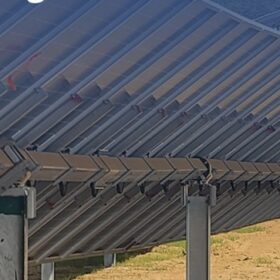
GameChange Solar introduces terrain-following tracker designed to reduce land grading
The Genius Tracker TF supports slops of up to 1.7 degrees between posts, thereby reducing land grading costs.
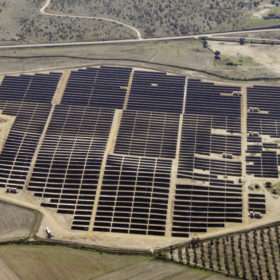
Spain PV prices to fall amid curtailment, weak demand
Carmen Izquierdo, CEO of Spain-based nTeaser, tells pv magazine that current PV project pricing in Spain “can lay the foundations for a more rational and sustainable ecosystem in the long term.”

Malaysia upgrades net metering scheme for rooftop PV
The Malaysian authorities say that approximately 1.7 GW of PV systems are operating under the Malaysian Building Integrated Photovoltaic (MBIPV) scheme and the country’s three Net Energy Metering (NEM) programs.
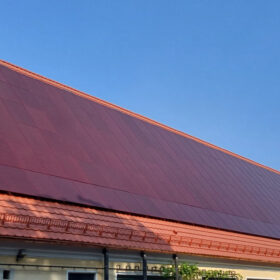
German castle now hosting brick-red PV system
A castle in Bavaria, Germany, has installed a brick-red PV system using colored solar modules from Italy-based FuturaSun. The project was enabled by a recent amendment to Bavaria’s Monument Protection Act, allowing solar on heritage buildings.

Israel requires PV systems on new residential, commercial buildings
Israel has introduced requirements for PV system installations on all new non-residential buildings with rooftop areas above 250 square meters and new detached residential buildings with roofs larger than 100 square meters.
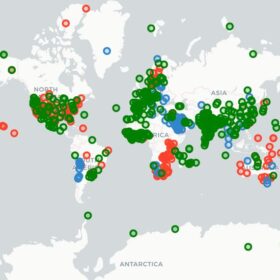
SolarStations.org: Mapping the future of solar resource assessment
IEA PVPS Task 16 recently introduced SolarStations.org, a global catalogue of solar irradiance monitoring stations designed for researchers, developers, and policymakers. This openly available resource catalogues more than 800 multi-component stations –of which more than 400 are currently active – offering a comprehensive view of high-quality ground-based solar data.
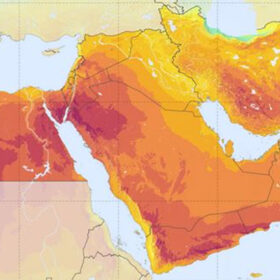
New method for PV site suitability mapping
Scientists in Malaysia have developed a novel deep-learning method for PV suitability mapping. Applying the new approach to the Middle East, they found that approximately 5.8% of the region has very high suitability and 11.5% is highly suitable for PV energy development.
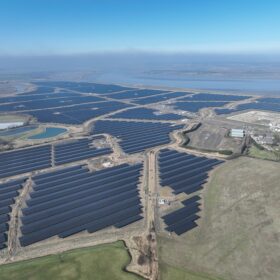
Largest UK solar plant goes online
The 373 MW Cleve Hill Solar Park is now exporting 100% of its capacity to the grid. Under construction, co-located energy storage to come online at a later date. The project has broken UK records for financing and offtake agreements, according to developer Quinbrook.
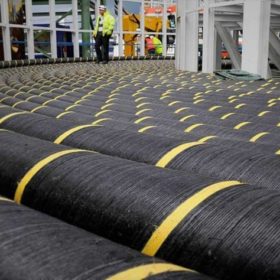
UK rejects CfD bid for 10.5 GW Morocco solar-wind subsea cable
The UK government has rejected a contract-for-difference (CfD) application for the proposed Xlinks interconnector, a 3,800 km submarine cable to deliver power from a planned 10.5 GW solar-wind facility in Morocco to the UK grid.
