
20 MW/10 MWh solar-plus-storage project moves forward in Malawi
The Golomoti solar plant is expected to come online by the end of the year. The plant will be used to provide grid stability and reduce national dependence on diesel generators and hydroelectric generation.
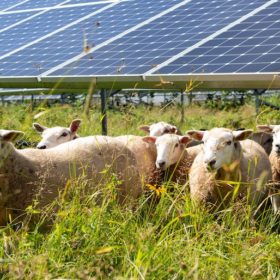
New York state funds study on benefits of grazing for PV
Sheep and solar farms can exist symbiotically, and the American Solar Grazing Association says that now is the time to convert that relationship into a full-scale industry.
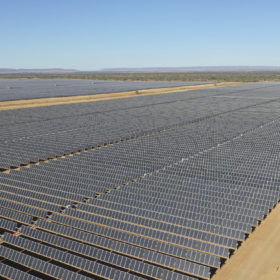
3.3 GW renewables pipeline provides cover for coal-fired power plant closures in Australia
Record investment in solar and wind farms across the National Electricity Market has helped to quell concerns that Victoria and South Australia will face increased risk of blackouts later this decade following the impending closure of the Yallourn coal-fired power plant.
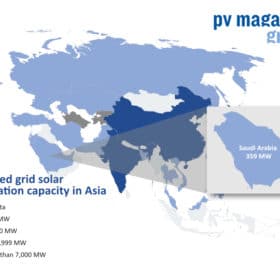
Saudi Arabia’s 1 GW solar tender invites bids by June 3
The 1.2 GW, Covid-delayed third round of the kingdom’s clean power program is back up and running, despite the fact the top news story on the relevant government department’s website is dated April 2020.
Indian state tenders 500 MW of solar capacity under farming support scheme
With the national KUSUM program offering farmers the chance to develop projects or lease their land, developers in Odisha will have until June 22 to bid for projects. The state utility will buy the power generated under a 25-year PPA for a maximum INR3.08/kWh ($0.04).
West African commercial solar installer looks east
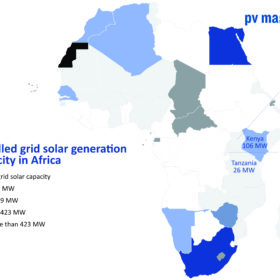
Nigeria and Ghana-based Starsight Energy has spent an undisclosed amount to acquire a half stake in the Kenyan subsidiary of East African peer Premier Solar Group.

Role of distributed solar at issue in California’s net metering update
Industry groups focus on solar-plus-storage, or preserving the distributed solar industry, while a state agency aims to compensate rooftop solar at avoided costs and add a grid service charge.
Another 2 GW of solar under review in Chile
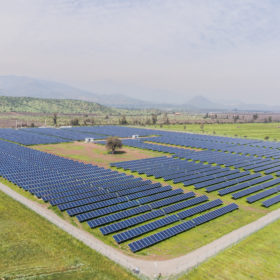
The Chilean environmental authorities are currently scrutinizing the projects Solar La Pampina (160 MW), Gabriela (220 MW), Ghungnam Kcs (709 MW of PV and 300 MW of CSP), Pelequén (175 MWp), and Planta Solar Sol del Loa (640 MW).
Rooftop CPV-thermal tech to produce electricity and freshwater
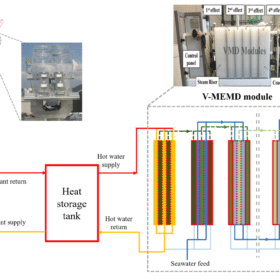
It’s claimed the decentralized desalination system can deliver a levelized cost for desalinated water of US$0.7-4.3/m3, depending on PV costs and electricity prices. It was built with several concentrated photovoltaic/thermal (CPV-T) collectors, a hot water tank, a V-MEMD module, a seawater feed tank, and a distillate tank.

Switzerland allocates $521 million for solar rebates in 2021
The Swiss federal government has also decided to improve the bureaucratic procedures for the installation of solar PV systems.
