
Swedish Energy Agency eyes PV to achieve 100% renewables by 2040
Though PV will remain in the shadow of wind and hydropower in the north of Europe, an ambitious solar deployment scenario in Sweden could lift the market into the gigawatt club through to 2040.
Solar distributed generation set for another record year in Brazil
New PV installations under the nation’s net metering scheme grew 137% year-on-year from January to March, according to consultancy Greener, and module imports registered even greater growth, signalling activity in the distributed generation segment is increasing at a faster pace. With the regulator mooting changes to the net metering regime, however, it may reflect customers rushing to secure current tariffs.
Power-surplus Indian state says no to new solar capacity
Karnataka state has been forced to apply the brakes to new solar with its power distribution companies having fulfilled their renewable purchase obligations for the next two years. Projects driven by federal agencies will continue, however.

How is Tesla selling residential solar for less than $2 per watt?
High-profile CEO Elon Musk has delivered on his promise to slash prices for residential solar. And the company’s reduction of prices to as low as $1.75/W after the federal tax credit is applied is likely a result of the move to online sales.
France sets second-quarter FITs for rooftop solar systems
The feed-in tariff granted reduces each quarter in line with how much solar capacity was installed in the previous three-month period and the drop will be felt more keenly in sun-rich Corsica and the nation’s overseas territories than on the mainland.
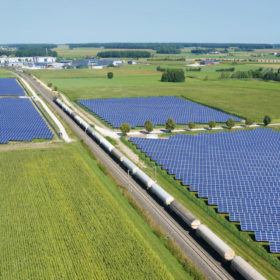
Germany added 350 MW of new solar capacity in March
The strong growth registered in the first quarter of the year – when 1.27 GW of new PV was deployed – will prompt a 1.4% reduction in the FIT price for the three-month period up to July.

China confirms FIT level payments – but they will be ‘subject to competition’
The Beijing authorities have confirmed the payment levels to be made according to type of project and region from July onwards but an auction process will be involved so the figures are for guidance only. No decision has yet been made on the 30 GW of capacity added since the end of May.
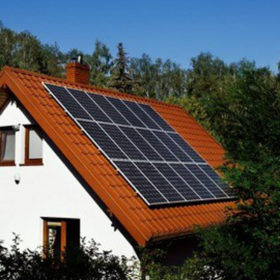
Ikea’s solar offer in Germany criticized by consumer association
The Verbraucherzentrale NRW says advertising for the Solstråle solar system is misleading and has warned the furniture provider and its partner Solarcentury Microgen (Deutschland) GmbH it will begin legal action if the campaign is not changed.

Lithuania announces first renewables auction and €4.5 million in solar rebates this year
The first mixed auction for renewable energy technologies will be held in September and will allocate around 300 GWh. The government will apportion €20 million for solar rebates up to 2023.
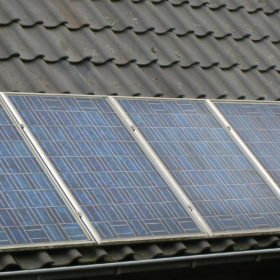
Netherlands to maintain current net-metering conditions until 2023
The Dutch government has confirmed it will maintain its net-metering scheme in its current form until 2023, with plans to then gradually phase it out by 2031. Net metering has been behind the steady growth of PV in the country in recent years, and was also the main market driver in the earliest stages of its solar development.
