
Atmoce launches retrofit-ready home battery
The Netherlands-based manufacturer is targeting older home PV arrays with its M-ELV product, which does not require replacement of solar inverters.

How to make solar module stockpiling cost-effective
Researchers investigated which solar module stockpiling conditions could help to ensure stable solar PV deployment at the lowest cost in Europe. The scientists demonstrated that stockpiling is cost-effective primarily under unfavorable import conditions.

Irish distributed solar hits 66 GWh of electricity in April, setting new record
Rooftop and small-scale ground mounted solar systems in Ireland have set a new monthly record for electricity production, generating a total of 66 GWh of electricity in April. So far, in 2025 just over 137 GWh of electricity has come from distributed solar systems.

Global PV installations may hit 655 GW this year, says SolarPower Europe
Global PV installations could reach 655 GW in 2025, up from 597 GW in 2024, according to SolarPower Europe’s latest market outlook, which puts total installed capacity at 2.2 TW.

How to find optimum PV placement in mountain regions
Switzerland’s WSL Institute for Snow and Avalanche Research (SLF) is investigating how solar yield can be optimized in snow-covered terrain. It is envisaged the results will help to place PV systems on mountains so they make use of light that is reflected from neighbouring slopes.

Malaysia introduces rooftop solar aggregation scheme
Malaysia’s first rooftop aggregation initiative for solar systems is now live. The program allows homeowners to lease or rent their rooftop for solar generation, with the electricity produced sold to commercial and domestic customers within a 5 km radius.
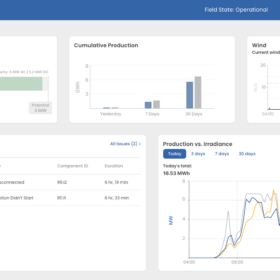
Solargik unveils platform for AI-powered solar tracking, diagnostics, control
Solargik has announced the official debut of its SOma Pro AI-powered platform for solar tracking and system diagnostics. The company says one of its main advantages is the ability to support smarter, faster decision-making.

Taiwan proposes mandatory solar standards for new, expanded buildings
The Taiwanese government has proposed new rules requiring PV installations on most new, expanded, or renovated buildings. The draft standards aim to boost renewable energy and decarbonization by setting minimum solar capacity requirements, with potential exemptions for insufficient sunlight or technical issues.
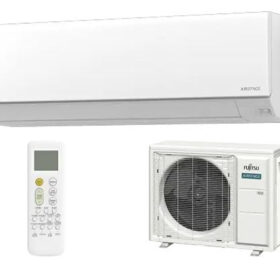
Fujitsu launches residential cold climate heat pump with split design
The Japanese manufacturer said its new heat pump system features a coefficient of up to 5.42 and a seasonal energy efficiency ratio of up to 33.2

Saving money is the biggest driver of residential solar adoption
A recent study by Ohio State researchers finds that cost savings and other practical benefits are the key motivators for people to adopt rooftop or community solar.
