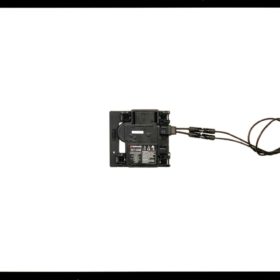
Enphase and Sonnenstromfabrik unveil AC solar panel
The US microinverter producer and the German panel maker have launched a residential glass/glass PERC module equipped Enphase IQ 7+ device. The 60-cell PERC module is available in three versions with power output ranging from 320 to 330 W and efficiencies of 18.8% to 19.4%.
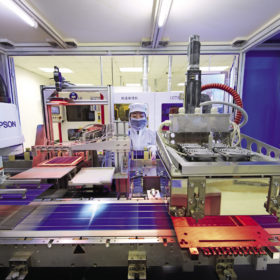
Chinese PV Industry Brief: Production expansion plans for Trina, JA Solar, ZNshine
Trina Solar said this week that it plans to expand cell production output by 10 GW at its factory in Jiangsu province, while JA Solar revealed plans to ramp up wafer production by 20 GW. ZNshine Solar, meanwhile, is aiming for 10 GW of new PV module capacity.
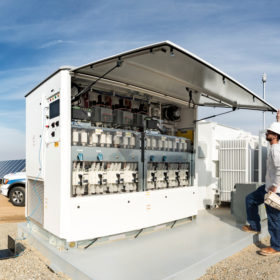
SMA reports 42% increase in turnover, Meyer Burger swings to a loss
German inverter manufacturer SMA Solar Technology reported solid financial results for the first half of 2020 despite the Covid-19 crisis. Meyer Burger, however, saw sales and profits decline.
Netherlands’ largest power provider wants to connect new solar parks to 75% of their peak capacity
Liander said its new plan may result in savings ranging from €1.4 billion to €1.8 billion. Possible losses for PV power producers are estimated at a maximum of 3% of their electricity production per year. If implemented, this new measure would push PV project developers to rely on underdimensioned inverters.
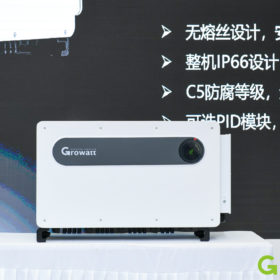
New 1,500 V string inverter from Growatt
The new device is available in four different versions with nominal power ranging from 185 to 253 kW. The inverter has a reported efficiency of 99.0% and a European efficiency between 98.5% and 98.7% depending on the size.
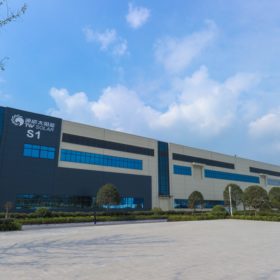
Chinese PV Industry Brief: Higher cell prices and plans for 36 GW of new cell capacity
Chinese solar cell manufacturer Tongwei has raised its cell prices by 9% this week after having increased them by 10% three weeks earlier. Another cell manufacturer, Aiko Solar, has unveiled a plan to deploy 36 GW of new cell production capacity.
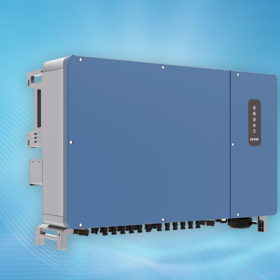
Kstar launches 1,500 V string inverter
The transformer-free 250 kW product offers a reported efficiency of 99%, providing a European rating of 98.5%.
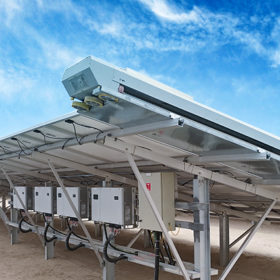
SolarEdge violated Huawei inverter patent, rules Chinese court
Huawei said the Guangzhou Intellectual Property Court in China has ruled in its favor in a patent dispute with its Israeli rival.
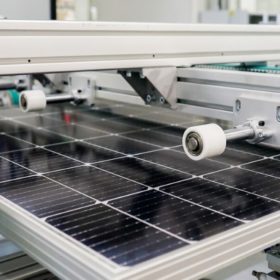
Chinese PV Industry Brief: Polysilicon, module prices continue to rise
Polysilicon prices continued to soar this week. Prices have been rising across the PV supply chain since mid-July due to recent accidents at two Chinese polysilicon factories, according to EnergyTrend.

Covid-19 weekly round-up: Updates shed light on tough second quarter for solar industry firms
But Israeli inverter company Solaredge and Indian engineering, procurement and construction services provider Sterling and Wilson have both offered hope of a recovery in Europe as Chinese glass producer Xinyi said it kept the furnaces going throughout the worst of the pandemic.
