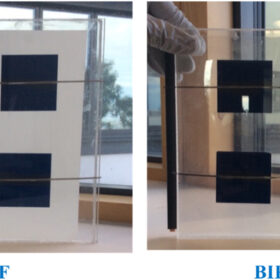
New solar window concept integrates polymer-dispersed liquid crystal to enable switchable transparency
Researchers in the United Kingdom have developed a smart window that combines switchable polymer-dispersed liquid crystal with integrated PV cells, offering controllable transparency and electricity generation. The system balances light, heat, and solar protection while maintaining high visual quality and stable performance, according to its creators.
German startup offers team of 22 specialized AI workers for PV plant O&M operations
Invertix has launched 22 specialized AI “workers” to automate O&M tasks for renewable energy assets, targeting inefficiencies in data handling, alarm management, and reporting. The startup says its system enables PV plant operators to scale portfolios more efficiently by reducing manual workloads, while keeping humans in the loop for critical decisions.
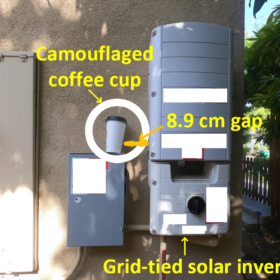
When tiny magnets attack PV systems
In an interview with pv magazine, cybersecurity expert Mohammad Al Faruque explains how seemingly simple sensors in PV systems and other energy systems are surprisingly vulnerable to magnetic, electrical, and acoustic perturbations, which can remotely influence control systems without physical access. Protecting these sensors requires both strict physical security and the development of hardened, interference-resistant technology to safeguard critical infrastructure.
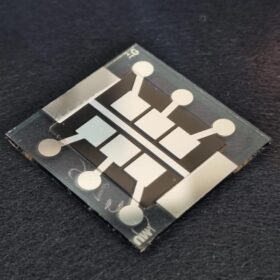
Scientists build high temperature-resistant perovskite solar cell with 26% efficiency
LMU researchers have developed a dual molecular reinforcement strategy for perovskite solar cells that strengthens grain boundaries, improving both durability and performance.
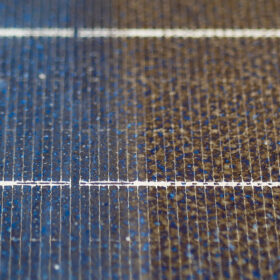
Fraunhofer CSP warns some cleaning agents may reduce PV module performance by up to 5.6%
Researchers at the German institute found that some widely used PV cleaning agents can damage anti reflective glass coatings, significantly reducing solar module efficiency. Their tests showed that while some cleaners are safe, others cause visible and permanent coating degradation, highlighting the need for careful selection of cleaning products to avoid long term performance loss.
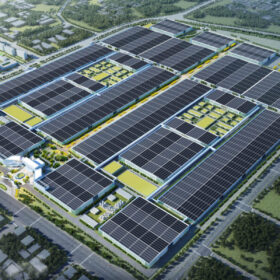
Chinese PV Industry Brief: JinkoSolar appoints new CEO
JinkoSolar has appointed Cao Haiyun as chief executive, while PowerChina has shortlisted 26 suppliers for a 31 GW solar module tender for 2026.
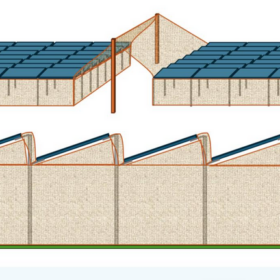
The case for ground-level agrivoltaics
German engineering firm BEC Energie Consult has developed a substructure for low-mounted agrivoltaics designed to provide cost-efficient installation while supporting crop growth and livestock management, with the potential to enhance economic viability.
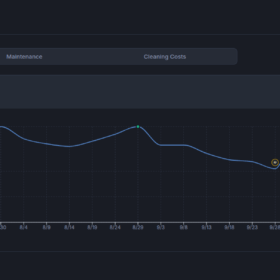
Canadian startup unveils AI tool for solar panel cleaning optimization
Swish Solar has an AI-driven tool that optimizes solar panel cleaning schedules to reduce soiling losses and operating costs. The platform uses data analytics and forecasting models to help operators time cleaning based on financial impact.
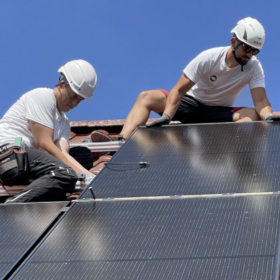
Iran conflict stirs solar demand debate in Germany
Germany’s solar sector is reporting a surge in inquiries following the military escalation between Israel, the United States, and Iran, with E.ON citing a doubling of demand for solar installations. Other industry participants are more cautious, attributing much of the increase to seasonal patterns rather than geopolitical anxiety.
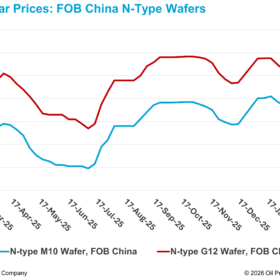
China wafer prices unchanged as resumed purchases fail to lift market
In a new weekly update for pv magazine, OPIS, a Dow Jones company, provides a quick look at the main price trends in the global PV industry.
