
New research identifies potential for 51 TW of agrivoltaics in Europe
Researchers in Denmark have analyzed the potential of PV systems and their influence on the underlying farmland in three different agrivoltaic projects, including vertical bifacial optimal tilted, horizontal single-axis tracking, and vertical bifacial setups. They also calculated the potential for agrivoltaic in every region in the European Union and found that the eligible areas are unevenly distributed.

TSUN launches kit for garden, balcony PV systems
Chinese inverter manufacturer TSUN says its new balcony PV kit consists of one or two 20.7%-efficient solar modules, a 96.7%-efficient microinverter, a bracket, and cables.

The solar glass opportunity in India
Large capacity addition in solar modules by 15-20 players is likely to drive domestic solar glass demand, say CRISIL analysts in an interview with pv magazine. New players have expressed interest to set up solar glass manufacturing in India, however, import duty removal last year on solar tempered glass has put them in a wait-and-see mode.
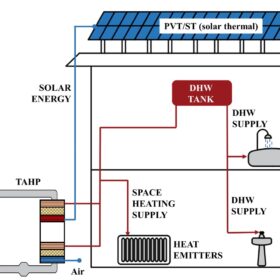
Thermoacoustic heat pump prototype for residential building heating
An international research team has fabricated a heat-driven thermoacoustic heat pump prototype that is claimed to achieve a heating capacity of 5.7 kW and a coefficient of performance of 1.4, with a heating temperature of 300 C and a heat-sink temperature of 55 C. The device uses medium/low-grade heat sources and is purportedly able to offer a complementary solution to the existing domestic heating methods.

SPI Energy to build US heterojunction solar cell factory
SPI Energy says it will set up a new heterojunction solar cell factory in the United States. Its manufacturing plans in the country now include modules, wafers and cells.
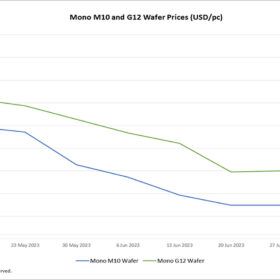
Mixed price signals for solar wafers, narrowing spread between M10 and G12 wafer prices
In a new weekly update for pv magazine, OPIS, a Dow Jones company, provides a quick look at the main price trends in the global PV industry.
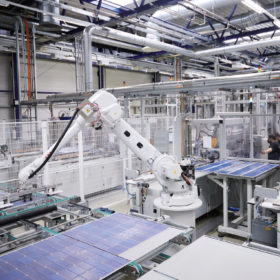
Meyer Burger gets $224 million for 3.5 GW solar cell, module plant in Europe
Swiss manufacturer Meyer Burger Technology AG says it will probably build a new 3.5 GW factory at an unspecified location in Spain. The EU Commission is expected to issue a formal decision on granting funding for the project by the end of this year.
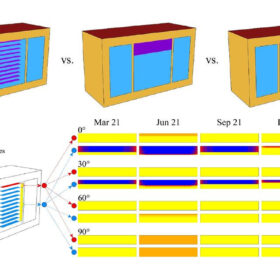
How to maximize power generation in PV blinds
Scientists in South Korea have stressed the importance of accurately setting the angle of slat PV blinds to maximize power generation. They found that there is a tradeoff between elevated power yield and self-shading effects in this BIPV technology.

US Customs solar exclusions might be ‘de facto ban on Chinese polysilicon’
Longi solar modules made of Tongwei polysilicon have been excluded from entry to the U.S.
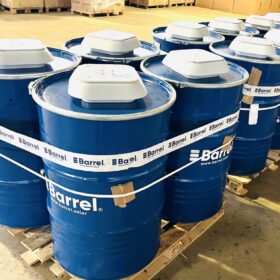
Italian startup offers solar kits packed in barrels
Italy’s Barrel claims that solar kits packed in barrels are ideal for remote areas and conflict zones. Its standard packages consist of 6 kW solar modules, 5.6 kW single-phase hybrid inverters, and 3.55 kWh lithium batteries.
