GCL prepares the decks to announce thumping losses
The board’s explanation for an anticipated $900 million hit in 2020, following a profit a year earlier? ‘The figures for 2019 were deceptive.’
Flexible perovskite quantum dot solar cell with 15.1% efficiency
An international research team has developed a PV cell with all-inorganic cesium-lead iodide (CsPbI3) perovskite. The scientists added phenyl-C61-butyric acid methyl ester (PCBM), one of the best electron acceptors in organic PV cells, into the CsPbI3 quantum dot layer.
The weekend read: Unprecedented plans and investments in Chinese PV production capacity
“Unprecedented” was a term widely used in 2020, as the world grappled with the Covid-19 pandemic. The same word can be similarly applied to the plans and investments in production capacity announced by Chinese PV manufacturers right across the supply chain. But what shape are these expansions taking and what is driving this renewed confidence? Vincent Shaw reports from Shanghai.
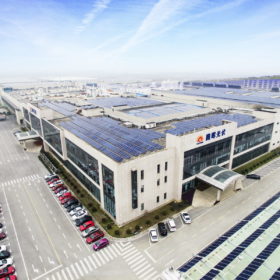
Chinese PV Industry Brief: New polysilicon deal, more cell and module capacity
Xinte Energy has secured a supply contract for 152,400 metric tons of polysilicon. Talesun and Longi are both expanding their respective cell capacities by 5 GW.
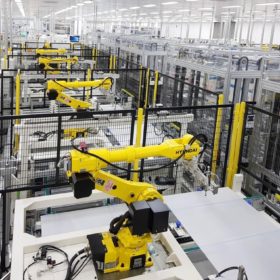
Hyundai builds 1.37 GW solar cell factory in South Korea
The first 650 MW production line will be deployed by the end of June. The cells produced at the manufacturing facility will be used exclusively for Hyundai’s module production.
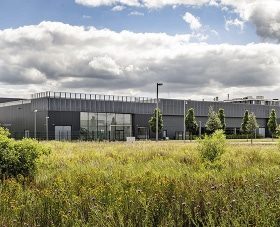
Meyer Burger to start PV cell, module production in May
Swiss solar manufacturer Meyer Burger is now looking for people to work at its new factories in Freiberg and Bitterfeld-Wolfen, Germany. The two facilities are scheduled to start production in May.
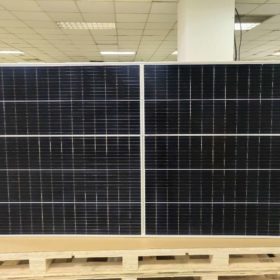
Trina launches 670 W solar panel
The latest product in the Vertex series from the Chinese manufacturer has a power conversion efficiency of 21.6%.
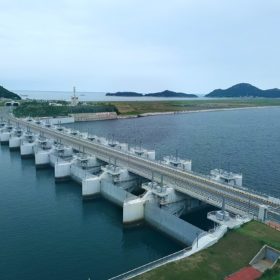
Hanwha Q Cells secures 300 MW order for 2.1 GW floating complex in South Korea
The Korean manufacturer was chosen as a preferred bidder for a portion of the Saemangeum solar complex. The company will likely supply its special panels for floating PV for the project.

Korean poly maker’s figures dragged down by idled production lines
The Covid-19 pandemic helped ensure chemicals business OCI could not put its idled polysilicon lines in Gunsan back into use last year, as had been hoped, prompting another hefty assets impairment which weighed on the group even as it expects supply of the raw material to be kept tight by rising demand.
Polysilicon maker Daqo presents another set of blockbuster figures
A planned IPO of the Chinese company’s main, Xinjiang business unit is set to finance construction of another 35,000 metric tons of annual production capacity by this time next year even as soaring sales volumes in 2020 enabled Daqo to pay down the bill for its previous expansion.
