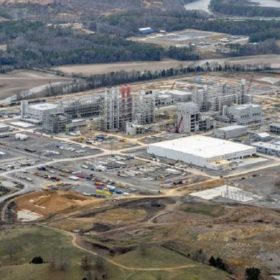
Four injured in ‘incident’ at Wacker’s US polysilicon factory
The German chemicals producer said that the issue involved four contractors doing maintenance on non-operational equipment.
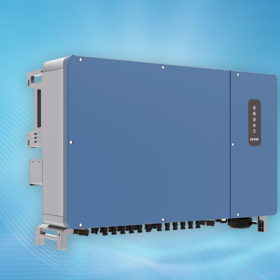
Kstar launches 1,500 V string inverter
The transformer-free 250 kW product offers a reported efficiency of 99%, providing a European rating of 98.5%.
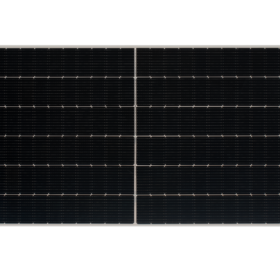
Jinko unveils new 610 W solar panels
The Chinese manufacturer introduced new PV modules this weekend at the SNEC solar exhibition in Shanghai.
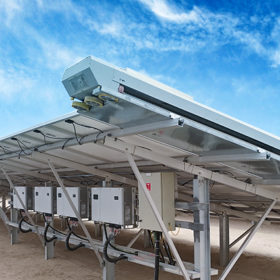
SolarEdge violated Huawei inverter patent, rules Chinese court
Huawei said the Guangzhou Intellectual Property Court in China has ruled in its favor in a patent dispute with its Israeli rival.
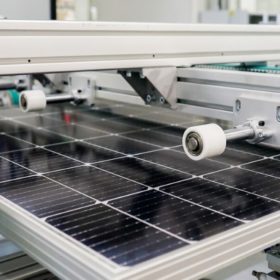
Chinese PV Industry Brief: Polysilicon, module prices continue to rise
Polysilicon prices continued to soar this week. Prices have been rising across the PV supply chain since mid-July due to recent accidents at two Chinese polysilicon factories, according to EnergyTrend.
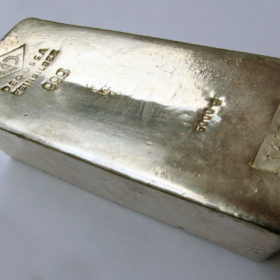
Silver price rally won’t affect PV industry
Silver prices reached their highest levels this week since 2016. But Michael DiRienzo, executive director of The Silver Institute, says prices are still not high enough to complicate silver supplies for the PV industry.
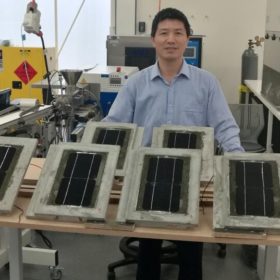
Solar tile with passive cooling
Researchers built the device by attaching 17%-efficient monocrystalline PV cells to a mortar roof tile that was doped with a phase-change material (PCM). The PCM solar tile provided 4.1% more power than the PV tile with no cooling agent in the winter, and 2.2% to 4.3% more during the summer.
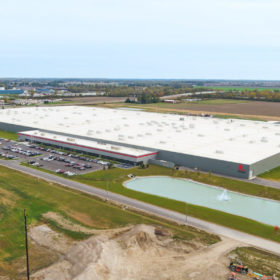
First Solar posts strong Q2, sells O&M unit to NovaSource
Another stalwart of the solar industry was able to take the necessary precautions in order to maintain a sense of normalcy during the pandemic, leading to a quarter of increased sales, net cash, and a positive outlook to finish off the year.

The PV world ten years ago – summer series part II
pv magazine editor Pilar Sánchez Molina recalls news from the PV sector of ten years ago as part of a new series. The insights offered will not only bring back memories for the pioneers of that exciting, challenging period but may also offer an idea of where we could be in 2030.
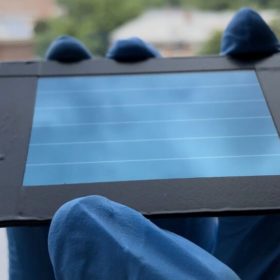
‘Spontaneous de-doping’ for 17.8%-efficient perovskite mini-module
U.S. scientists have found a new ‘de-doping’ process in perovskite solar cells that could cut production costs and produce better devices. They have used this to fabricate a mini-module with 17.8% efficiency.
