
The Hydrogen Stream: Scientists see iridium as obstacle to hydrogen aviation
A German research team says that demand for iridium, lanthanum and nickel could weigh on the growth of the global hydrogen-powered aviation market.

Eaton introduces overhead EV fleet charging solution
Eaton, an Irish energy management specialist, has developed EV Charge Busway, an overhead power distribution solution that eliminates cable runs and major modifications to existing parking and conveyor structures.

A simple way to bring solar to multi-family apartments
Offering solar savings to apartment dwellers, and particularly renters, is not a simple task – as low take-up in Germany has demonstrated. Mel Bergsneider, from Australian startup Allume Energy, explains how a product offered by her company could change all that.
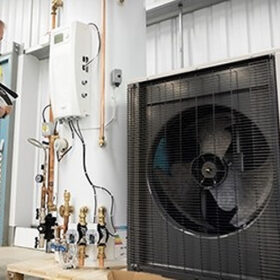
Ideal Heating starts heat pump production in UK
UK-based boiler specialist Ideal Heating has opened its first heat pump production in Hull, England. It said that it has invested around GBP 60 million ($76.5 million) in the new production line.
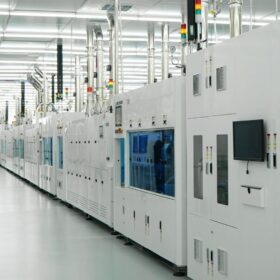
Vena launches plan to support solar, storage ‘megaproject’ in Indonesia
Singapore-based developer Vena Energy says it will investigate opportunities to make solar panel components and battery energy storage systems in Indonesia, in order to support a hybrid megaproject with up to 2 GW of solar and more than 8 GWh of energy storage.
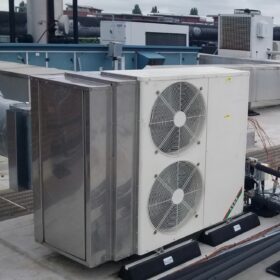
Dual source heat pump with high seasonal performance factors, near-zero defrosting costs
A UK-Chinese research group designed a dual-source heat pump (DSHP) that recovers the waste heat from the exhaust air along with absorbing the heat from the outdoor air. A prototype installed on the roof of a building in the UK showed remarkable results in terms of coefficient of performance and annual heating bill savings.
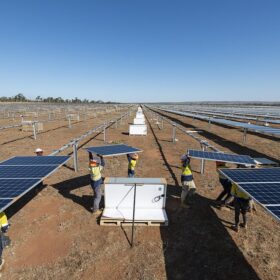
Australia’s latest tender for generation, storage largely oversubscribed
Investors have submitted bids for 3.1 GW of wind and solar projects, along with 1.6 GW of long-duration storage projects, in response to the New South Wales government’s latest tender for renewable energy generation and storage capacity.
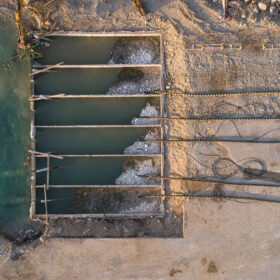
Weekend Read: Curtailment crisis in Cyprus
The typical volume of excess clean power wasted daily on the island has rocketed since last year. With a fossil fuel industry veteran heading the energy department after February’s presidential election, what prospect is there of a green transition?
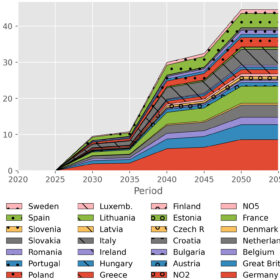
The Hydrogen Stream: Early adoption of green hydrogen leads to higher costs
Norwegian researchers say blue and green hydrogen could complement each other in the future, but early adoption of green hydrogen could result in increased hydrogen production and emissions.
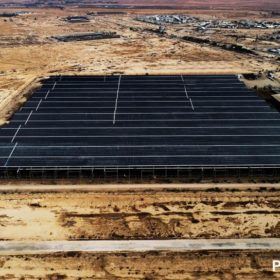
Solar, storage, and V2G at the core of Israel’s future energy system
New research has shown that Israel has the technical potential to deploy 172.5 GW of photovoltaics, of which 132.1 GW would be from conventional installations and 40 GW from agrivoltaics. If deployed, this full potential would require energy storage with a capacity of at least 500 GWh and strong development of vehicle-to-grid technologies.
