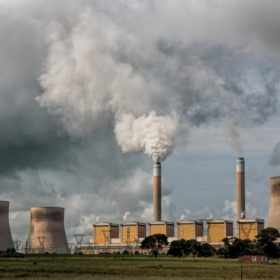
Cheap renewables putting $639 billion of new coal investments at risk
The Carbon Tracker Initiative crunched some numbers and discovered that more than half a trillion dollars worth of coal investments are at serious risk due to the declining cost of renewables.
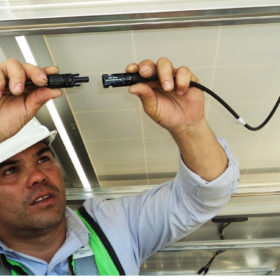
BNEF lowers 2020 global PV outlook due to coronavirus concerns
Many solar factories in China are starting to resume production, suggesting that concerns about supplies of PV components could soon begin to ease. Nevertheless, the temporary standstill will have an impact on the global solar market, as the implementation of some projects will probably be postponed until next year.
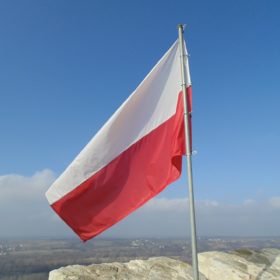
Poland added 300 MW of solar in first two months of 2020
The country’s cumulative installed PV capacity reached 1.6 GW at the end of February, according to the national grid operator.
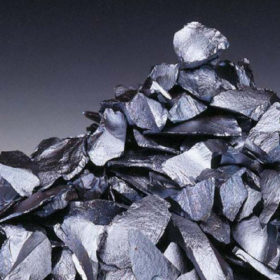
Daqo shrugs off Covid-19 fears with positive outlook for 2020
The Chinese polysilicon giant’s net income fell nearly 23% year on year to $29.5 million in fiscal 2019, even though it posted a 16% year-on-year jump in revenue to $350 million. It expects its polysilicon output to soar in the year ahead, despite the threat posed by the coronavirus outbreak.
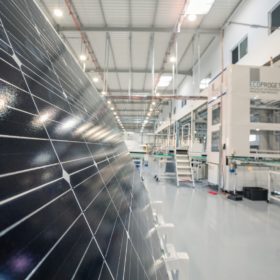
A new module factory in Bahrain
Italian company Ecoprogetti will supply the production equipment to Bahrain-based module producer Solartecc. Output is set to begin in the third quarter.
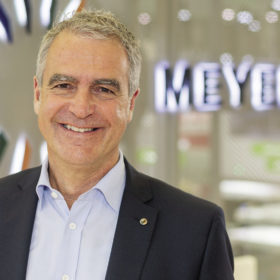
Change at the top for Meyer Burger after €37m loss
The Swiss PV equipment supplier posted the loss for 2019, citing increasingly fierce competition in China, and plans to continue a strategic realignment of its business with the options including the establishment of a European PV manufacturing operation.
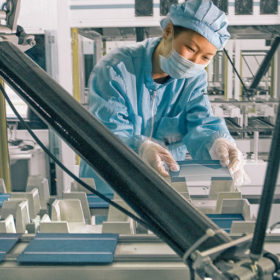
Yingli finally opens up on debt restructuring
The Chinese manufacturer had not updated its English-speaking investors since October and now appears set to have its chief Chinese operations taken over by creditors.

AfDB provides $200 million to expand Nigerian power sector
The African Development Bank has agreed to invest $200 million to improve electricity access in Nigeria by building minigrids throughout the country.
Stanwell’s utility-scale green hydrogen plans get financial shot in the arm
A feasibility study will explore a new option for producing and using renewable hydrogen, with the help of funding provided by the Australian Renewable Energy Agency (ARENA). If the study supports the business case, the project will deliver the largest hydrogen electrolysis plant in Australia.
Electricity access aims prompt fresh $120m in loans and grants for African off-grid solar
Benin has obtained a $21.1 million loan from the investment and development bank of the Economic Community of West African States and Burundi will benefit from a $160 million World Bank donation, $100 million of which will be dedicated to solar energy.
