
Greek utility eyes nation’s first subsidy-free PV project
The state-owned electric company, which has finally pivoted towards green energy, is developing a subsidy-free approach.

Negative energy price drives loss of Netherlands solar incentives
Negative energy prices for more than six hours mean the Dutch government will pay no renewables incentives under its SDE+ program for March 29. The plunging electricity price was caused by slumping demand for energy as restrictions were put in place to help prevent the spread of Covid-19.

Indian government backs multi-pronged approach to support solar sector
The Ministry of New and Renewable Energy is working on the creation of a Rs 10,000 crore (US$1.3 billion) alternative investment fund to provide payments to PV developers.

Covid-19 daily bulletin: Market contractions and hackathons
pv magazine rounds up the latest Covid-19-related stories likely to affect the world of solar and energy storage.
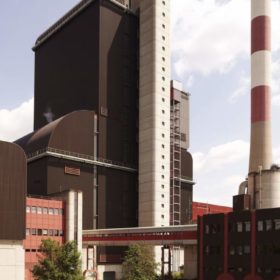
Austria’s last coal power plant shuts down
Austrian power provider Verbund has shut down its coal-fired district heating plant in the state of Styria as planned. This means that coal power generation in Austria is now history, paving the way for a switch to a 100% renewable power supply by 2030. However, Photovoltaic Austria emphasizes that Austria needs a well-considered plan for clean energy, as a quarter of the nation’s electricity is still generated from fossil fuels.
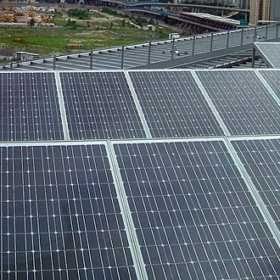
Comtec Solar insists it remains viable following dismal 2019
The Chinese solar manufacturer has finally addressed lingering uncertainty about its future with the release of the audited version of its 2019 financial results.
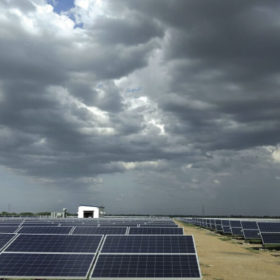
German solar installers expect massive market contraction this year
According to a recent survey by EuPD Research, political conditions are to blame for the expected slowdown, rather than the coronavirus pandemic. The potential failure to remove the 52 GW cap for solar incentives is expected to have a much stronger impact on potential investors.
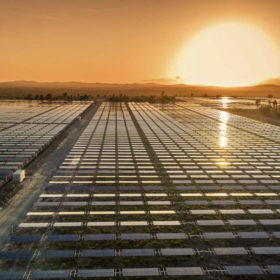
Falling power prices could benefit mega-sized solar and wind projects
The Covid-19 pandemic will create a “perfect storm” for Australia’s wholesale electricity market, as lower demand comes together with lower gas prices and the commissioning of large-scale solar and wind projects to depress power prices, according to a report by Melbourne-based consultancy RepuTex.
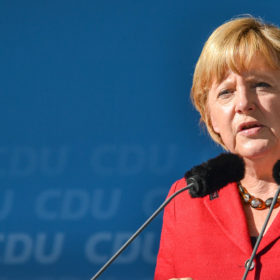
Covid-19 daily bulletin: Grim news from US and Australia but pandemic is not solely to blame
The U.S. solar industry experienced a wave of job losses last month and the public health crisis has driven foreign exchange losses which will jeopardize projects Down Under, but it is Angela Merkel’s government which is attracting the ire of German PV installers.
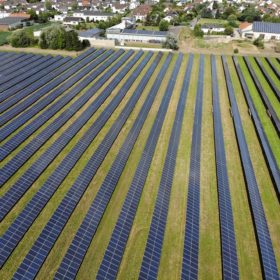
Would solar decarbonize French energy – or just replace nuclear?
A thinktank has studied whether increased solar energy would contribute significantly to reducing the carbon footprint of the French and European electricity systems in an attempt to respond to a common French refrain the nation needs no further decarbonization of energy because it has nuclear power.
