
Mini series: LatAm’s early PV leader, with enormous DG potential
The early development of PV projects in Latin America was spearheaded by one country: Chile. And while there remain prospects for large-scale project development, its distributed generation segment has the potential for enormous growth, says Marcela Puntí Martín, the general manager of the Chilean Solar Energy Association (ACESOL).
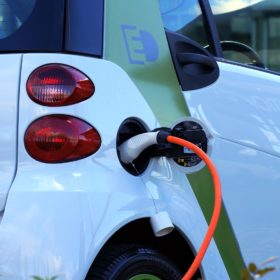
Dutch government treats 21 municipalities to smart EV chargers
Vehicle-to-grid functions could soon become increasingly important. While policymakers discuss the necessary regulations in other nations, the Netherlands government is motoring ahead with the technology.

‘Explosive growth’ ahead for Chinese PV predicts Solargiga
The Chinese manufacturer is holding out hope a boom that is expected to start imminently will help it turnaround losses that forced it to issue a profit warning last week. Getting its new production line in Qujing up to speed will help, provided the demand materializes.

Rajasthan eyes 50 GW of solar within six years
The Indian state plans to achieve half the amount by 2021-22 under its new draft solar policy. The package also suggests establishing a research hub, privately financed solar parks and encouraging commercial self-consumption of clean energy.

Japan’s fourth solar auction concludes with lowest bid of $0.098/kWh
The tender produced lower bids than previous rounds but again allocated less generation capacity than planned. The Japanese government initially accepted bids for a combined 589.9 MW but ended up assigning only 195.8 MW of capacity. The final average price for procured solar power was $0.1222/kWh.

Building a successful renewables auction in Colombia
pv magazine publisher Eckhart Gouras spoke to Carolina Obando, regulatory coordinator at renewable energy association SER Colombia, to discuss the country’s first renewable energy auction. The delayed tender promises to boost a solar industry with a 4.3 GW pipeline.

Singyes $198m bail-out goes through
The solar manufacturer and project developer appears to have secured a crucial rescue package funded by Chinese state-backed Water Development (HK) and has persuaded the holders of most of its $430 million in defaulted debt to accept a restructuring plan. Next up, the Hong Kong High Court.
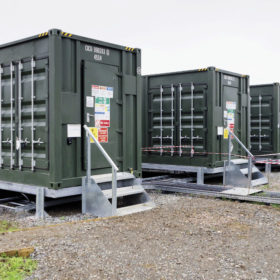
Kenyan government blamed for sluggish progress of solar
Two solar farms with 80 MW of generation capacity tendered in 2017 are being built and will be commissioned this year but another two, allocated at the same time, are no nearer construction. Kenya, however, has been touted as the site of Africa’s first wind-solar-storage hybrid project.

Germany added 292 MW of solar in July
Demand for systems with a generation capacity of up to 750 kW is driving the market. The 52 GW capacity cap for solar under the national FIT scheme is approaching. In September, feed-in tariffs and market premiums will fall a further 1.4%.
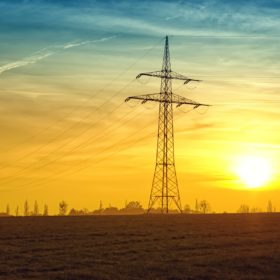
PV cheaper than spot market electricity across Europe
The levelized cost of energy produced by large scale PV projects ranges from €24/MWh in southern Spain to €42/MWh in Finland. New research states that is already cheaper than the average spot market electricity price and that the figure for big facilities in southern Spain may fall to €14 in 2030 and €9 in 2050.
