
U.S. extends solar manufacturing tariff exclusions
The U.S. Trade Representative has extended the exclusion of 178 items from the Section 301 import tariffs that were put in place by the prior administration in 2024. The still standing tariffs include a 50% increase on solar cells.
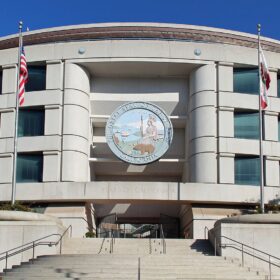
California lawmakers urge CPUC to enforce utility interconnection timelines
A coalition of 18 California legislators has formally urged the California Public Utilities Commission (CPUC) to enforce regulations under “Rule 21” regarding the interconnection of customer-sited solar and energy storage systems.
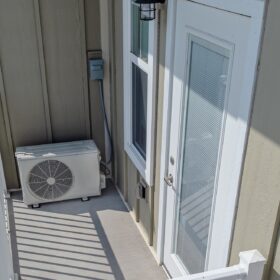
More than 100,000 applications for UK heat pump subsidy
Latest boiler upgrade scheme (BUS) data reveals more than 100,000 applications for heat pump grants have been made since support scheme launched in May 2022. Demand has significantly increased in 2025, and the scheme was expanded in early November to include an air-to-air heat pump grant.

Historic icons, modern energy: Why heritage buildings need solar roofing
Heritage buildings face mounting pressure to cut carbon emissions, but traditional solar panels often clash with their historic appearance and face public resistance. Building-integrated photovoltaics (BIPV) offer a discreet alternative, blending solar technology into roofing materials and enabling wider adoption across protected sites. As UK policy increasingly supports solar on historic buildings, BIPV presents a scalable solution that reconciles climate action with architectural preservation.
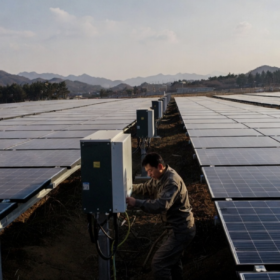
South Korean solar inverter industry raises cybersecurity concerns
South Korean solar inverter makers have jointly launched a new association of inverter manufacturers to coordinate domestic production, safeguard local expertise, and address import-driven market issues and grid stability challenges.

‘I’ve seen women promoted while pregnant, and others leading teams while working part-time’
This week Women in Solar+ Europe gives voice to Marion Bourdais-Massenet, Country Manager France at Viridi Energies Renouvelables. She says true inclusion comes from daily practice, allyship, and self-reflective leadership, encouraging young women to pursue their potential and contribute confidently to the energy transition.

China moves to curb irrational competion in battery energy storage industry
The Chinese Ministry said it will take swift action to rein in aggressive low‑price competition that threatens to destabilize businesses and impede sustainable industry growth.

Japan pilots low-weight solar panels, perovskite windows for buildings
Mitsui Home and Tokyo Gas have revealed plans to deploy Japan’s first combined on-site and virtual solar power purchase agreement (PPA), cutting factory emissions and maximizing rooftop energy use.

Switzerland introduces winter electricity bonus for solar installations
Switzerland is implementing a new winter electricity bonus for solar installations larger than 100 kW that generate over 500 kWh/kW of electricity in the winter half-year from October 1 to March 31. The country’s Federal Council has also raised the target for electricity generated by photovoltaics to 18.7 TWh by 2030.
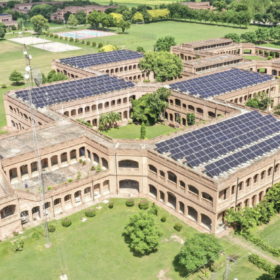
Pakistan needs to declare a ‘battery emergency’
Solar association chair argues urgent battery energy storage deployment is key to supporting continued PV boom in Pakistan. Residential solar CEO predicts surge in behind-the-meter storage demand if and when Pakistan’s generous net metering policy is wound down.
