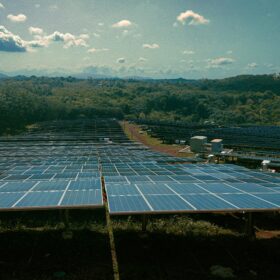
Italy PV grid connection requests reach 144 GW as ready-to-build pipeline grows to 9.34 GW
Italy recorded 3,670 PV connection applications totaling 144 GW amid a slight ongoing decline since August 2025, while ready-to-build projects rose to 210 or 9.34 GW, with capacity remaining concentrated in Sicily, Puglia and Sardinia.
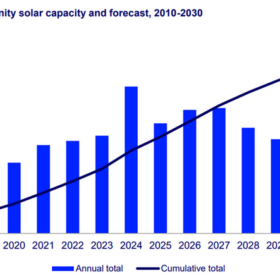
U.S. community solar passes 10 GW milestone despite market contraction
The country installed 1.4 GW in 2025, a drop from 2024 levels as leading markets like New York and Maine slowed.
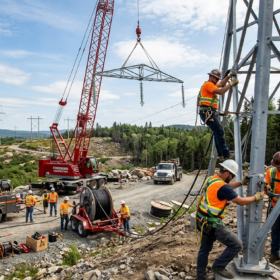
European power grid investment set to rise sharply by 2027
The EU Agency for the Cooperation of Energy Regulators (ACER) says distribution grid investment has risen 51% since 2021, but warns that fragmented planning rules and regulatory distortions could limit efficiency and slow the energy transition.

Free midday electricity key to drive consumer demand to match excess PV generation
Free midday electricity schemes aim to shift household demand into periods of high solar PV generation, reducing midday surplus and evening fossil-fuel ramp-up. Research on Australia’s Solar Sharer program suggests such incentives could significantly improve renewable utilization, but outcomes depend on consumer behaviour, load shifting, and rebound effects.

Tunisia launches 200 MW call for PV projects under new licensing scheme
The Tunisian government is inviting private developers to submit applications for solar power plants under the sixth licensing round for full electricity sale to national utility STEG.

Dominican Republic opens bids for 600 MW renewables tender
The nation’s latest call for long-term power purchase agreements focuses on supplying the national grid with wind and solar projects, specifically mandating integrated battery storage systems to ensure grid resilience.
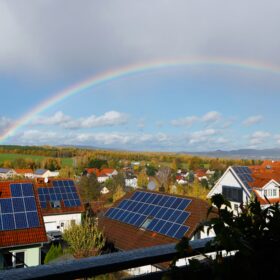
Household solar is easier said than installed
Analysis of longitudinal survey data has explored the link between intended and actual solar panel adoption in UK households. It finds that while most households that had intention of installing solar in 2012-13 were yet to do so by 2021-22, serious intention to install solar still increases the likelihood of adoption more than other factors such as income and environmental perceptions.

Mexico updates distributed generation rules to formally integrate energy storage
The new provisions published by the country’s energy regulator are aimed to adjust the technical and administrative criteria for distributed generation, particularly with regard to energy storage, installed capacity limits, and interconnection procedures.

Key takeaways from SolarEx Istanbul
The 18th SolarEx Istanbul showcased Türkiye’s expanding solar ecosystem, bringing together hundreds of exhibitors and reinforcing its role as a rising global hub for PV manufacturing and innovation. At the same time, strong growth in distributed solar and emerging battery storage highlights both the market’s potential and its key challenges, including regulatory constraints, grid limits, and increasing global competition.
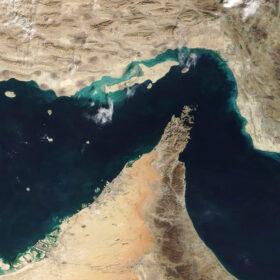
U.S.-Israeli conflict with Iran tests solar supply
The U.S.-Israeli conflict with Iran is unlikely to materially affect solar manufacturing projects in the Middle East for now, as most of these investments remain at an early stage. OPIS analyst Brian Ng sees the most immediate risk in logistics. If disruptions persist, shipments of solar products into the region could be delayed and export pricing may turn volatile.
