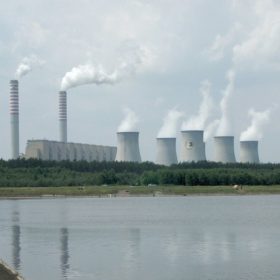
Covid-19 weekly round-up: Solar resilient in the US as Australia and Europe forge ahead through crisis
Plus, U.K. analyst Cornwall Insight reports the price of green energy certificates in the nation could stay in the doldrums for some time and industry executives consider the upsides of the new virtual PV business.
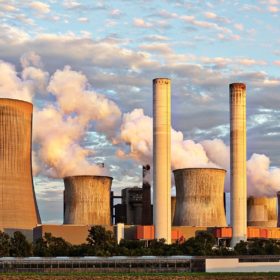
Indian utilities contemplate coal – rather than energy storage – to balance renewables
The Ministry of New and Renewable Energy has specified how grid back-up capacity procurement will work for Indian electricity distribution companies. The rules consider energy storage solely as part of the 51% clean energy requirement, and instead use coal – with a variable price tariff element – as necessary for evening out supply.

Restrictions for solar on agricultural land may slow PV growth in Taiwan
Taiwan-based TrendForce says the nation added only 410 MW of solar capacity to the end of May, towards this year’s 2.2 GW target. The lower-than-expected deployment volume may be further hampered by new restrictions for PV on agricultural land introduced by the Council of Agriculture this month.
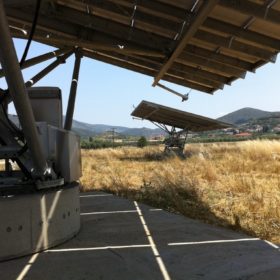
New low solar price in Greece but capacity falls short again as parliament passes €100m EV subsidy package
The price tariff agreed by German company ABO Wind for a 10 MW solar project in Igoumenitsa came in a tender which allocated only 142 MW of generation capacity, well short of the hoped-for 482 MW. It is hoped a slimline licensing process, to be applied in the next procurement round, will address the problem.
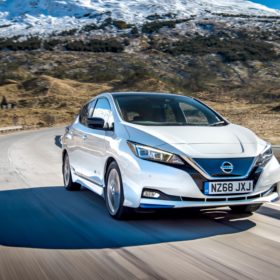
Vehicle-to-grid business model would make Canadian EVs cheaper than conventional rivals
Canadian non-profit Plug’n Drive has looked at Ontario’s time-of-use electricity rates and found electric vehicle owners could generate substantial income by charging at night and selling to businesses during the daytime. Doing so could mean EVs have a lower net cost than conventional vehicles.
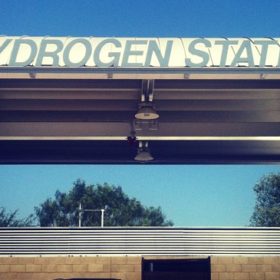
Australia adopts international standards to shape hydrogen future
Industry body welcomes guidelines, which it says are crucial to realizing the potential of the nation’s hydrogen economy.

Covid-19 weekly round-up: Biden’s $2tn green recovery program as Germany prepares to return to normality
Plus, even stay-at-home orders and plunging commercial energy demand failed to take the sting out of Australia’s solar duck curve and China’s GCL System counts the first-half cost of the public health crisis.
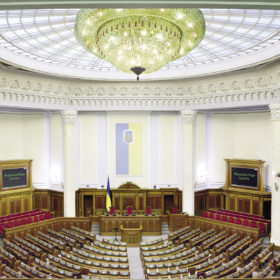
Ukraine defines level of retroactive FIT cuts
Parliament has adopted Draft Law 3658 which can now be signed into law by the president. Payment reductions for solar have been further eased and curtailment will now be compensated but talk of extending the duration of the newly-reset FIT levels appears to have fallen by the wayside.

Ukraine’s law on FIT restructuring has passed: The expert view
Ukrainian renewable energy lawyer Svitlana Teush takes a look at the law which will define the cuts to be applied in Ukraine after extensive negotiation between government and the clean energy industry.

Planned law could unlock 4 GW of UK storage projects
The government’s Department for Business, Energy & Industrial Strategy has drafted secondary legislation aimed at easing the construction of large scale energy storage projects for renewables. Around 100 such batteries could be deployed thanks to the proposed rules, according to the department.
