
pv magazine video: The pressing need for sustainability in solar
The solar industry faces many challenges in its move to become truly sustainable and that goal is imperative, rather than being simply a luxury, if the sector is to achieve terawatt scale. pv magazine’s first Sustainability Roundtable took place on June 10 and included discussion as to why sustainability matters in PV and which business, regulatory and technological approaches can be applied to achieve truly “green” solar power. A video of the event can be streamed online.

Interview: Financing Indian solar projects amid the Covid-19 crisis
Vaibhav Pratap Singh, senior analyst from South Asian thinktank the Council on Energy, Environment and Water, tells pv magazine about the impact of the coronavirus pandemic on the Indian solar sector, green finance and other investment prospects.
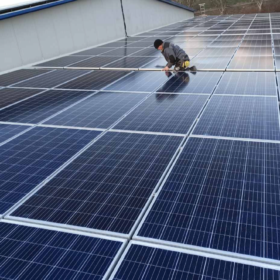
Covid-19 weekly round-up: Polish solar is immune to the effects of Covid-19 and the coronavirus will drive EV manufacturing from China to India, apparently
Plus, one Australian installer says residents who had installed solar and storage at home will be cushioned against thumping, coronavirus-related electricity bill rises this quarter and there are signs of recovery in overall energy consumption levels.

Israel prepares 800 MW of pumped hydro storage
Renewables company Ellomay Capital has been forced to reduce the scale of its planned 340 MW Manara Cliff project, in the north of the country, because two rival schemes have already gobbled up a large proportion of the capacity quota currently offered by the government.

Affordable hydrogen-fueled flight possible in 2035
Hydrogen-fueled aviation has a realistic chance of helping the sector achieve climate goals, according to a European Union-commissioned study.
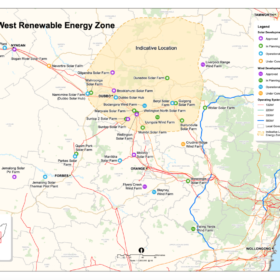
Australian renewables zone attracts 27 GW of solar, wind, battery proposals
A plan in the Australian state of New South Wales to build a 3 GW renewable energy zone has already attracted US$26.4 billion of project proposals, and the state government is now quadrupling its funding support.
Chinese PV Industry Brief: State entity set to gain controlling vote in Jolywood as Yunnan plans 620 MW of solar
The controlling shareholders of Shenzhen-listed solar manufacturer Jolywood have agreed to sell their stakes to state-owned WJ Energy, as two more power companies revealed big plans for new capacity. NYSE-listed Daqo, meanwhile, is mulling an IPO in its homeland.

India can become electric vehicle manufacturing hub within five years says roads minister
The industry needs to cut a dependence on lithium-ion battery imports from China, according to Nitin Gadkari, who said the government is looking to support research into alternative technologies.

Ukraine retroactive FIT cuts far from universally accepted
They are words to chill the soul of solar project owners when uttered in relation to feed-in tariffs: retroactive FIT cuts. A Ukrainian government smarting at the cost of funding an overly successful solar incentive program appears bent on emulating the approach of governments in Spain, Italy and Czechia by reopening signed payment contracts to reset the monies paid for clean power, despite the costly lawsuits that have greeted such moves in the past.
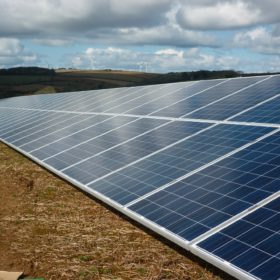
Poland preps remote solar investment
The government is said to be working on amending its renewable energy legislation to enable people without their own roofspace to benefit from the solar boom.
